1 3 Staggered Tile Pattern
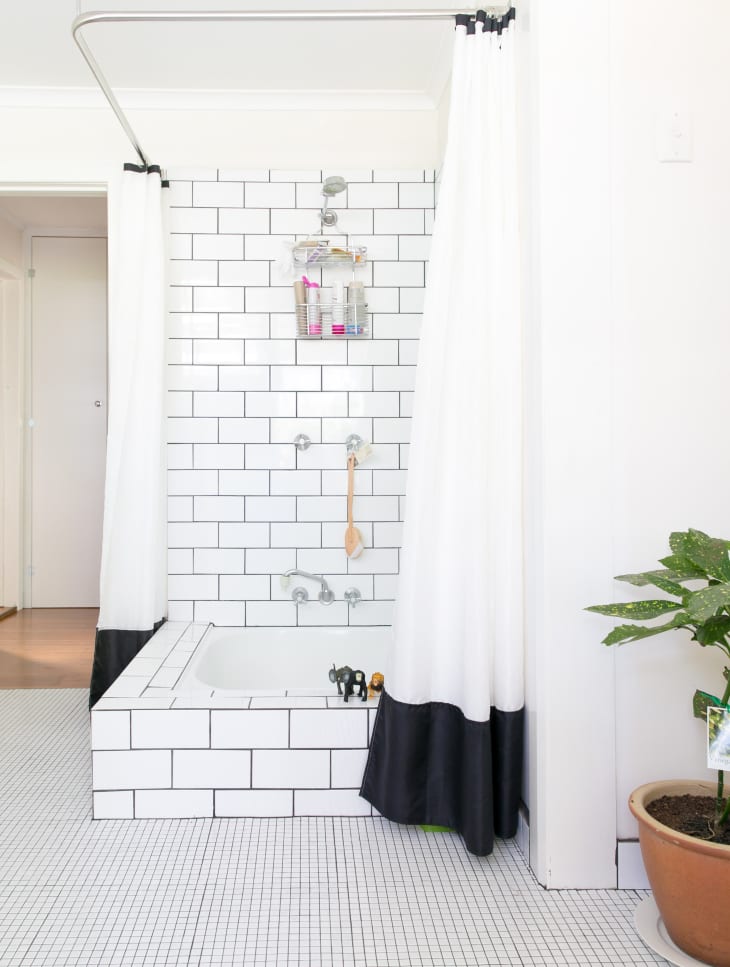
1 3 Staggered Tile Pattern - We suggest using one third offset when designing with tile that is 8″ x 16″ or larger. Web yes, if you stagger the joints half way, you are putting the lowest part of the tile (the corner) next to the highest part of the tile (the middle). Use a measuring tape and chalk lines to mark the centerline of the room and establish the starting point for the tiles. Web a staggered tile pattern adds a unique flair to any project, with no “box” to reign in your imagination — choose any tile pattern and shape. Web large format tile patterns. Web the tile laying patterns guide. Web a straight tile pattern, also called a stacked pattern, is the easiest and most common layout. For tiles 300x600 or larger only ever use a staggered brick bond as this will avoid lipping. Web here is an explainer on 1/3 staggered tile pattern plus 4 other basic patterns. The tile pattern charts show the number of tiles needed for 100 square feet. We suggest using one third offset when designing with tile that is 8″ x 16″ or larger. For tiles 300x600 or larger only ever use a staggered brick bond as this will avoid lipping. This pattern is especially popular in powder rooms and kitchen backsplashes. Visit your local tile shop for a free design consultation or order samples online now. A look at the different types of staggered tile patterns. Web staggered patterns, such as the popular 1/3 offset pattern or herringbone pattern, can add visual interest to the design. From a herringbone pattern to a contemporary staggered square pattern, tile laying patterns can help you add dynamic character to your space. Web the easiest way to adjust for small tiles is usually to shift the layout from the center of the tile to the center of the grout joint. My shower wall is 59 1/2 inches in height and 81 3/4 inches in width. I just don't know how to do this, where to start or where to cut etc. One of the most talked about trends in tiles at the moment is all about pattern play. Web the easiest way to adjust for small tiles is usually to shift the layout from the center of the tile to the center of the grout joint. My shower wall is 59 1/2 inches in height and 81 3/4 inches in width.. Web this 88 sf bathroom floor got 12 x 24 in. You can mix the 1/3 offset pattern with the traditional brick lay in the same room, though there are design rules to keep in mind. I just don't know how to do this, where to start or where to cut etc. Porcelain tile installed in a third/3rd pattern/design. Shake. The tile pattern charts show the number of tiles needed for 100 square feet. Web large format tile patterns. My shower wall is 59 1/2 inches in height and 81 3/4 inches in width. Web the easiest way to adjust for small tiles is usually to shift the layout from the center of the tile to the center of the. I just don't know how to do this, where to start or where to cut etc. Porcelain tile installed in a third/3rd pattern/design. Web i am using 12 x 24 inch tiles with 1/8 inch grout lines. Web the most popular place to use the 1/3 offset is on shower walls. Web each diagram represents nine square feet. Shake up a typical offset tile pattern by turning it on its head! From a herringbone pattern to a contemporary staggered square pattern, tile laying patterns can help you add dynamic character to your space. Web the tile laying patterns guide. These lines indicate the pattern repeat, providing a more visual understanding of the pattern. Web i am using 12. For tiles 300x600 or larger only ever use a staggered brick bond as this will avoid lipping. Web this 88 sf bathroom floor got 12 x 24 in. Porcelain tile installed in a third/3rd pattern/design. These lines indicate the pattern repeat, providing a more visual understanding of the pattern. Web the tile laying patterns guide. From a herringbone pattern to a contemporary staggered square pattern, tile laying patterns can help you add dynamic character to your space. Web the tile laying patterns guide. 10 new ways to lay wall tiles and floor tiles. Web a straight tile pattern, also called a stacked pattern, is the easiest and most common layout. I just don't know how. Web view tile patterns & layout ideas by popular sizes. Shake up a typical offset tile pattern by turning it on its head! Web the most popular place to use the 1/3 offset is on shower walls. Porcelain tile installed in a third/3rd pattern/design. Web explore tile patterns & layout designs by location, size, shape & material at the tile. Before you leap into your kitchen or bathroom renovation, it pays to know the basics. Web yes, if you stagger the joints half way, you are putting the lowest part of the tile (the corner) next to the highest part of the tile (the middle). Web a staggered tile pattern adds a unique flair to any project, with no “box”. From a herringbone pattern to a contemporary staggered square pattern, tile laying patterns can help you add dynamic character to your space. Download our helpful pdfs for diy installation and tile pattern preferences. Web vertical staggered tile pattern. Web a staggered tile pattern adds a unique flair to any project, with no “box” to reign in your imagination — choose. Staggering it one third will move the highest part over. Web vertical staggered tile pattern. If you're not sure where to start, consult our guide to different laying patterns for both your floor and wall tiles. Web msi’s tile patterns tool lets you select one, two, or multiple sizes of tile before picking the desired pattern and learning how many tiles are needed. Compare pattern styles, tile size and more to find your perfect design. Web a straight tile pattern, also called a stacked pattern, is the easiest and most common layout. Web each diagram represents nine square feet. Web here is an explainer on 1/3 staggered tile pattern plus 4 other basic patterns. Each additional row of tiles is offset by 1/3 of the length. Web staggered patterns, such as the popular 1/3 offset pattern or herringbone pattern, can add visual interest to the design. Web a staggered tile pattern adds a unique flair to any project, with no “box” to reign in your imagination — choose any tile pattern and shape. You can transition from one type of tile to another, or from tile to another surface, such as a wall or a wood floor. Before you leap into your kitchen or bathroom renovation, it pays to know the basics. Use a measuring tape and chalk lines to mark the centerline of the room and establish the starting point for the tiles. All you have to do is match the corners of each tile and line them up next to each other to achieve a grid pattern. The tile pattern charts show the number of tiles needed for 100 square feet.
1 3 staggered tile layout Artofit

Tile Installation In 1/3 Pattern How Does The Third Pattern/Design
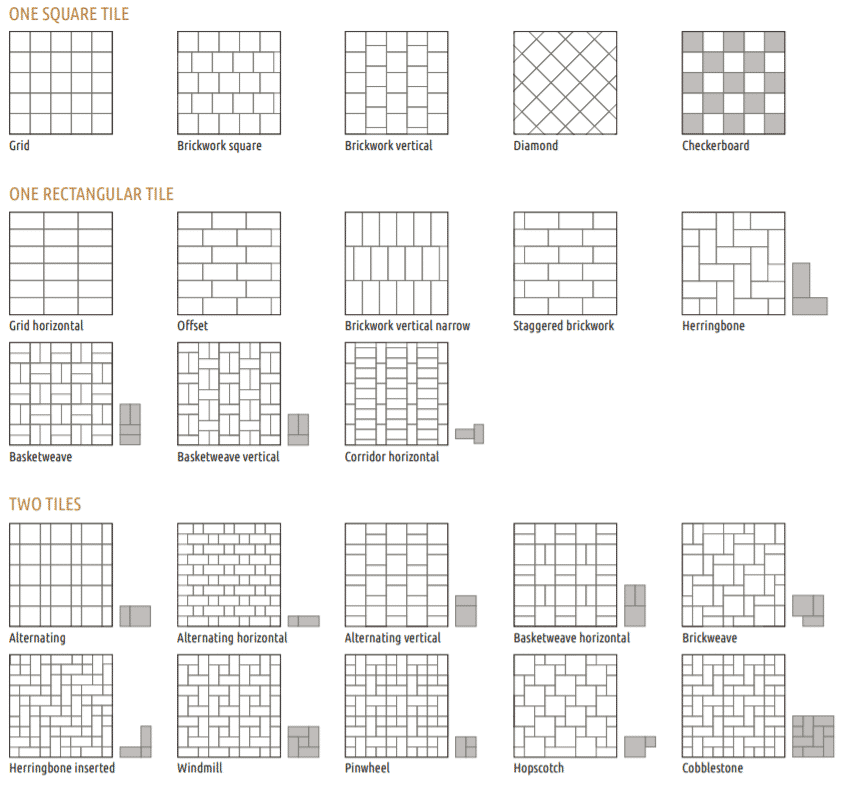
How To Layout Tile Floor Patterns Flooring Site

Choosing your Tile Pattern Layout Centura London and Windsor
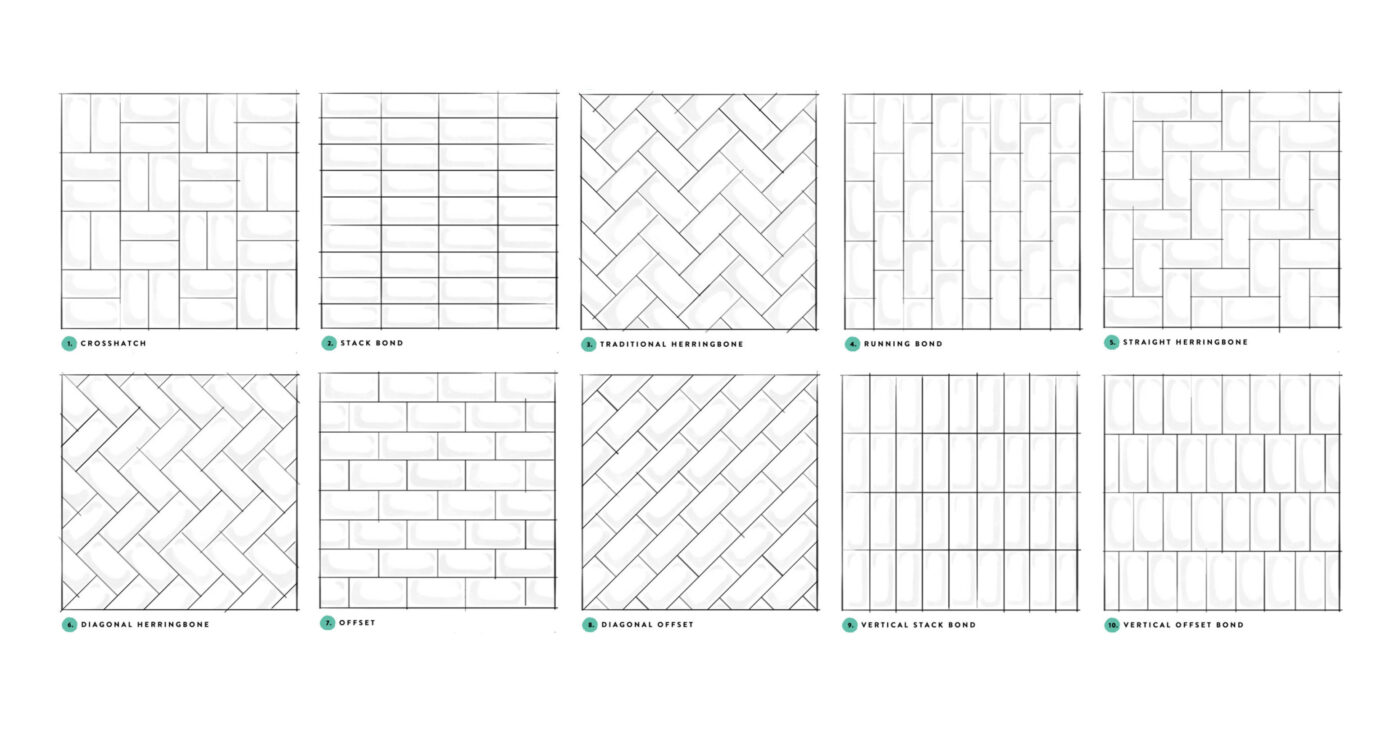
The Tile Pattern Basics Myaree Ceramics
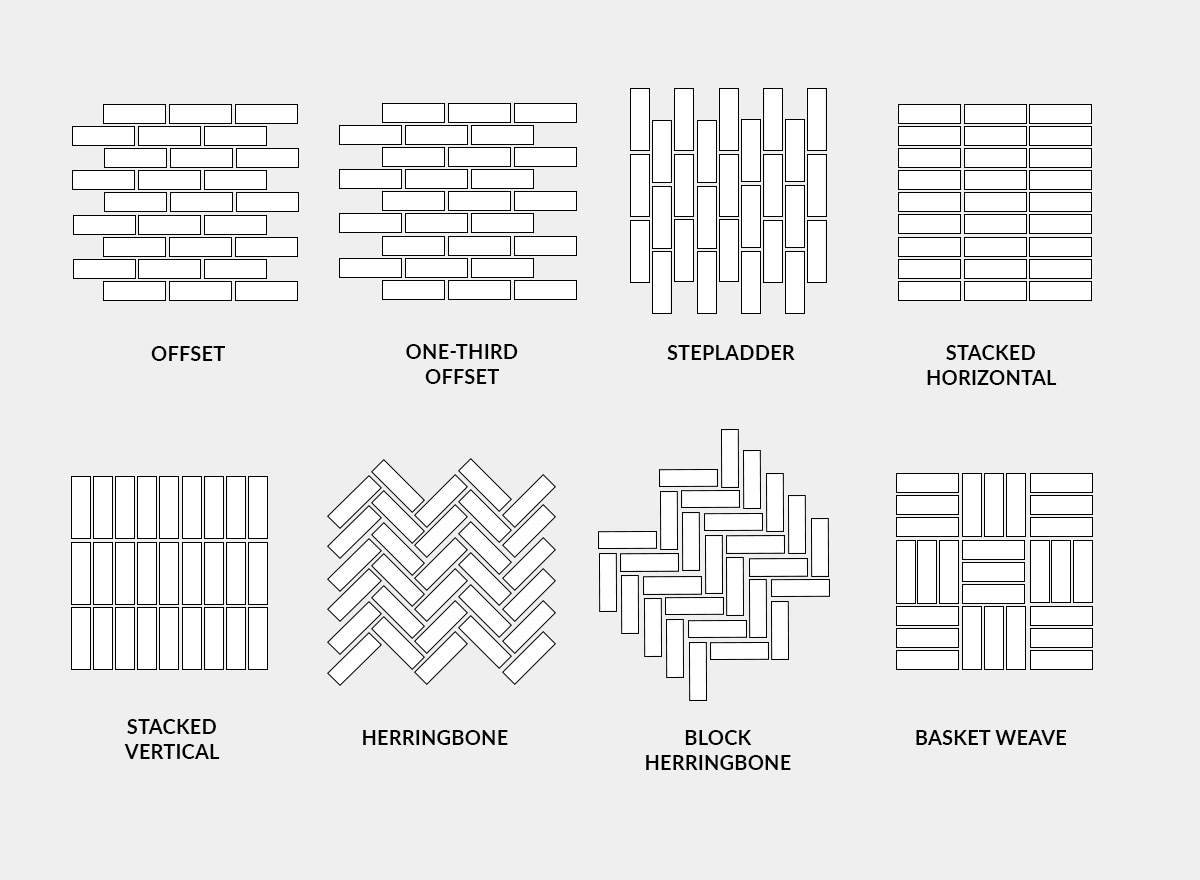
Tile Layout Patterns & Design Ideas Porcelanosa

1 3 Staggered Tile Pattern Pattern.rjuuc.edu.np

12x24 Floor Tile in 1/3 Staggered Pattern
1/3 Staggered Tile Pattern and 4 Other Tile Patterns to Know

Staggered Tile Floor Patterns Flooring Tips
Porcelain Tile Installed In A Third/3Rd Pattern/Design.
A Look At The Different Types Of Staggered Tile Patterns.
When It Comes To Regular Square Or Rectangular Tiles, Nearly Every Pattern Can Be Boiled Down To These Five Basic Models.
Web I Am Using 12 X 24 Inch Tiles With 1/8 Inch Grout Lines.
Related Post: