
Hammer Candlestick Pattern
Hammer Candlestick Pattern - For example, identifying a bullish candlestick pattern like a hammer at a major support level can provide a. Web a hammer is a price pattern in candlestick charting that occurs when a security trades significantly lower than its opening, but rallies within the period to close. In japanese, it is called takuri meaning feeling the bottom with. They consist of small to medium size lower shadows, a real. Web eur/gbp hammer candlestick at area of value: It manifests as a single. It resembles a candlestick with a small body and a long lower wick. Web the japanese candlestick chart patterns are the most popular way of reading trading charts. This candlestick pattern is a bullish reversal single candle pattern, which indicates a downtrend reversal in a stock. Web a hammer candlestick is a term used in technical analysis. Web a hammer candlestick is a term used in technical analysis. Web the hammer candlestick is a significant pattern in the realm of technical analysis, vital for predicting potential price reversals in markets. Web the hammer candlestick pattern is a bullish candlestick that is found at a swing low. A small real body, long. A minor difference between the. Web the hammer candlestick pattern is a bullish reversal pattern used by traders to signal a potential change in a downward price trend. This is one of the popular price patterns in candlestick charting. Web the hammer candlestick pattern is a bullish reversal pattern that indicates a potential price reversal to the upside. Web the hammer candlestick pattern is a single candle formation that occurs in the candlestick charting of financial markets. Typically, it will have the. Web hammer candlestick patterns occur when the price of an asset falls to levels that are far below the opening price of the trading period before rallying back to. This candlestick pattern is a bullish reversal single candle pattern, which indicates a downtrend reversal in a stock. The hammer candlestick pattern is. Web the hammer candlestick pattern is a bullish. Web the hammer candlestick formation is viewed as a bullish reversal candlestick pattern that mainly occurs at the bottom of downtrends. It appears during the downtrend and signals that the bottom. Web a hammer candlestick is a term used in technical analysis. Web the hammer candlestick pattern is a bullish candlestick that is found at a swing low. Our guide. Mysz have been struggling lately and have lost 11.1% over the past week. The hammer candlestick is a popular chart pattern that suggests bullish sentiment after a day of trading volatility. Typically, it will have the. In japanese, it is called takuri meaning feeling the bottom with. They consist of small to medium size lower shadows, a real. It appears during the downtrend and signals that the bottom. It signals that the market is about to change trend direction and advance. Web a hammer is a bullish reversal candlestick pattern that forms after a decline in price. They consist of small to medium size lower shadows, a real. A minor difference between the. Our guide includes expert trading tips and examples. Web hammer candlestick pattern consists of a single candlestick & its name is derived from its shape like a hammer having long wick at bottom and a little body at top. This is one of the popular price patterns in candlestick charting. Web the hammer candlestick as shown above is a bullish. Web the hammer candlestick formation is viewed as a bullish reversal candlestick pattern that mainly occurs at the bottom of downtrends. Web the hammer candlestick pattern is a bullish candlestick that is found at a swing low. Web the hammer candlestick is a significant pattern in the realm of technical analysis, vital for predicting potential price reversals in markets. It. Let’s break down the basics: Web the hammer candlestick is a significant pattern in the realm of technical analysis, vital for predicting potential price reversals in markets. It manifests as a single. Shares of my size, inc. Because they are simple to understand and tend to work. This is one of the popular price patterns in candlestick charting. It resembles a candlestick with a small body and a long lower wick. The hammer candlestick pattern is a candle with a short body at the upper end and a long lower shadow, typically twice the body’s length,. Web the hammer candlestick as shown above is a bullish reversal. The hammer signals that price may be about to make a reversal back higher after a recent. A small real body, long. The hammer candlestick is a popular chart pattern that suggests bullish sentiment after a day of trading volatility. Small candle body with longer lower shadow, resembling a hammer, with minimal (to zero) upper shadow. Web the hammer candlestick. This is one of the popular price patterns in candlestick charting. Mysz have been struggling lately and have lost 11.1% over the past week. Web hammer candlesticks are a popular reversal pattern formation found at the bottom of downtrends. Web the hammer candlestick as shown above is a bullish reversal pattern that signals a potential price bottom followed by an. In japanese, it is called takuri meaning feeling the bottom with. This article will focus on the famous hammer candlestick pattern. Web hammer candlesticks are a popular reversal pattern formation found at the bottom of downtrends. The opening price, close, and top are approximately at the same. Web the japanese candlestick chart patterns are the most popular way of reading trading charts. The hammer candlestick is a popular chart pattern that suggests bullish sentiment after a day of trading volatility. Web the hammer candlestick formation is viewed as a bullish reversal candlestick pattern that mainly occurs at the bottom of downtrends. It signals that the market is about to change trend direction and advance. Web a hammer is a bullish reversal candlestick pattern that forms after a decline in price. Let’s break down the basics: It appears during the downtrend and signals that the bottom. Small candle body with longer lower shadow, resembling a hammer, with minimal (to zero) upper shadow. Web the hammer candlestick is a significant pattern in the realm of technical analysis, vital for predicting potential price reversals in markets. Web the hammer candlestick pattern is a single candle formation that occurs in the candlestick charting of financial markets. It manifests as a single. Web hammer candlestick pattern consists of a single candlestick & its name is derived from its shape like a hammer having long wick at bottom and a little body at top.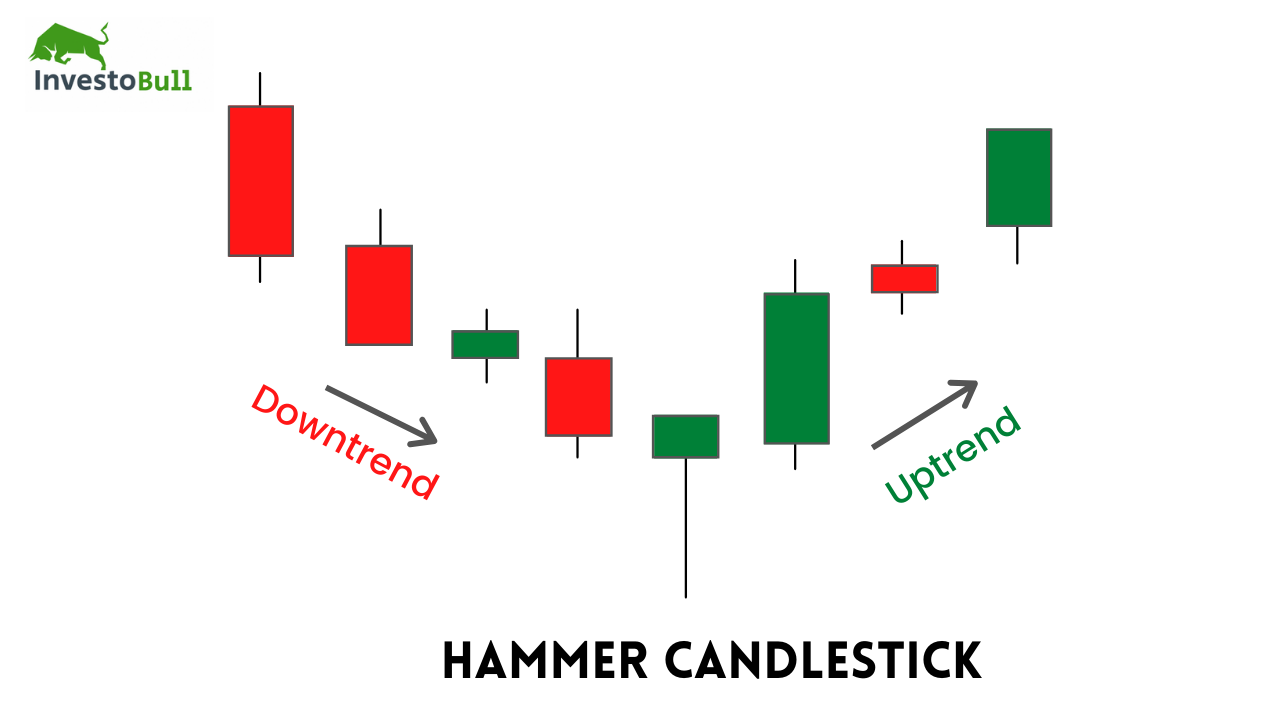
What is Hammer Candlestick Pattern June 2024
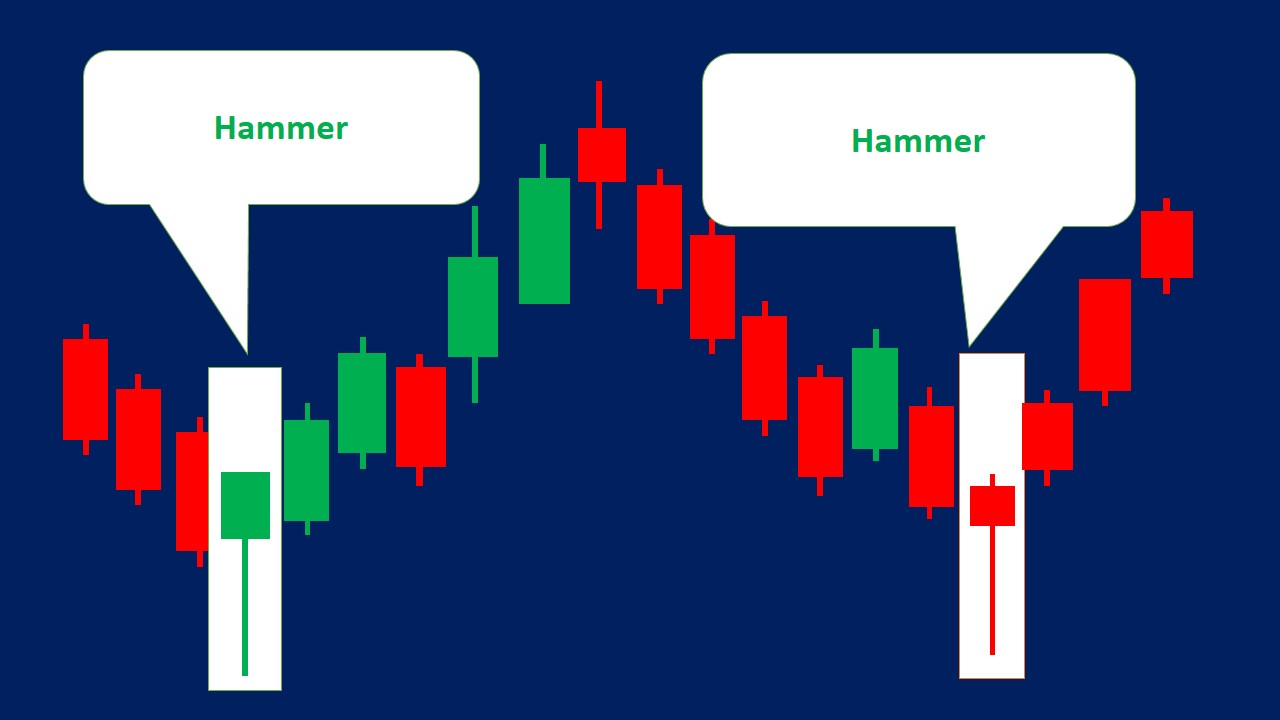
Hammer Candlestick Patterns (Types, Strategies & Examples)
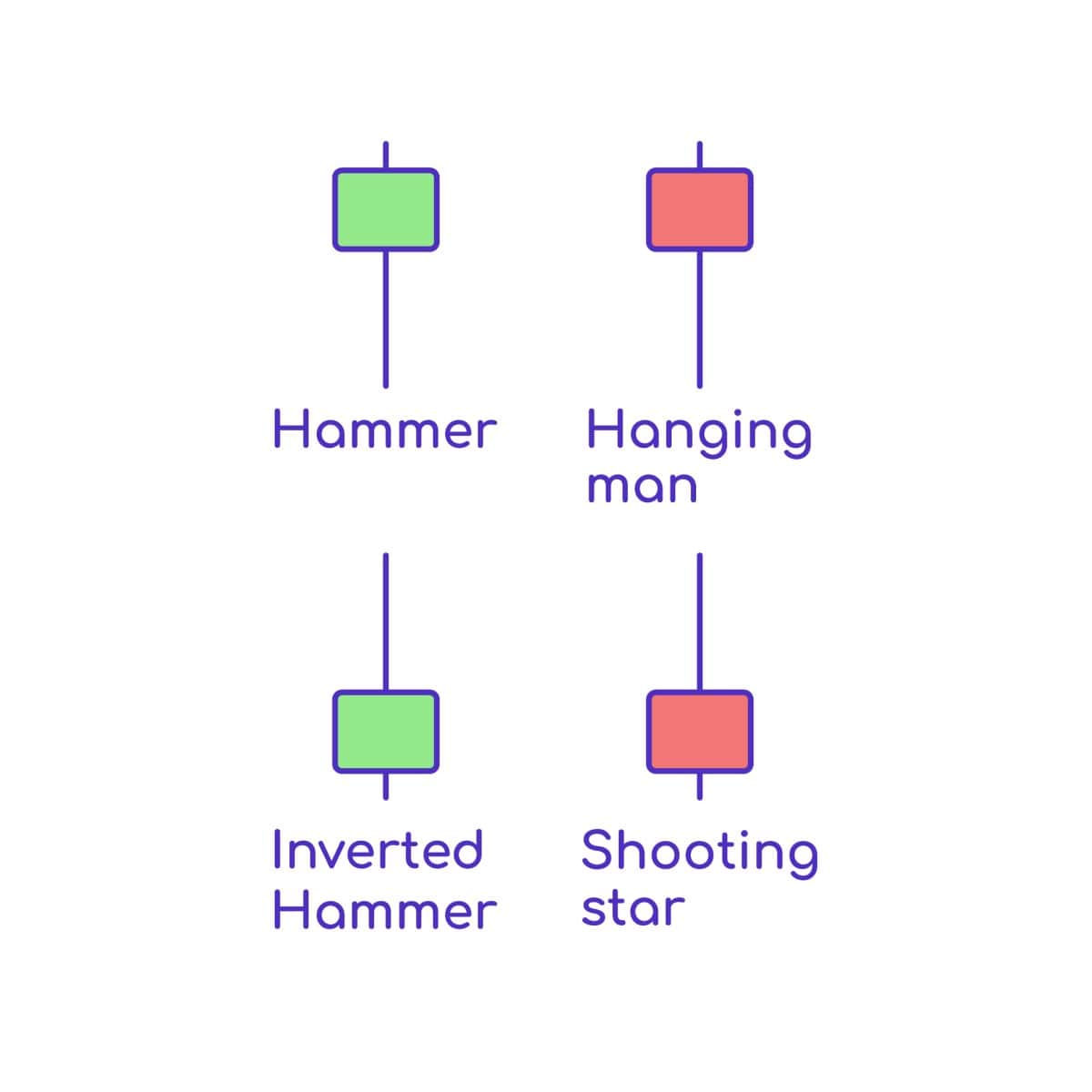
The Hammer Candlestick Pattern Identifying Price Reversals
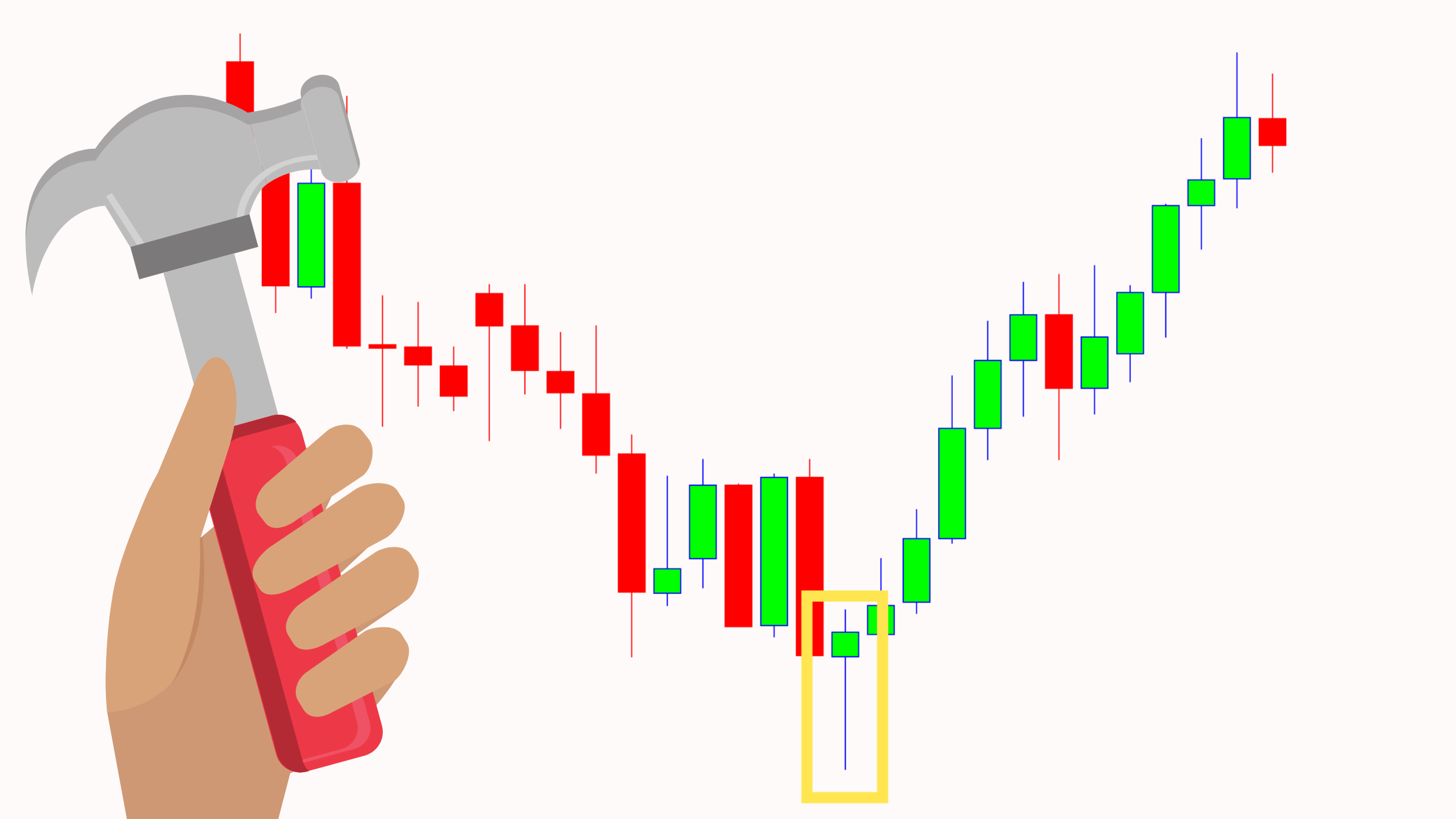
Hammer Candlestick Pattern Trading Guide

Hammer Candlestick Pattern The Complete Guide 2023
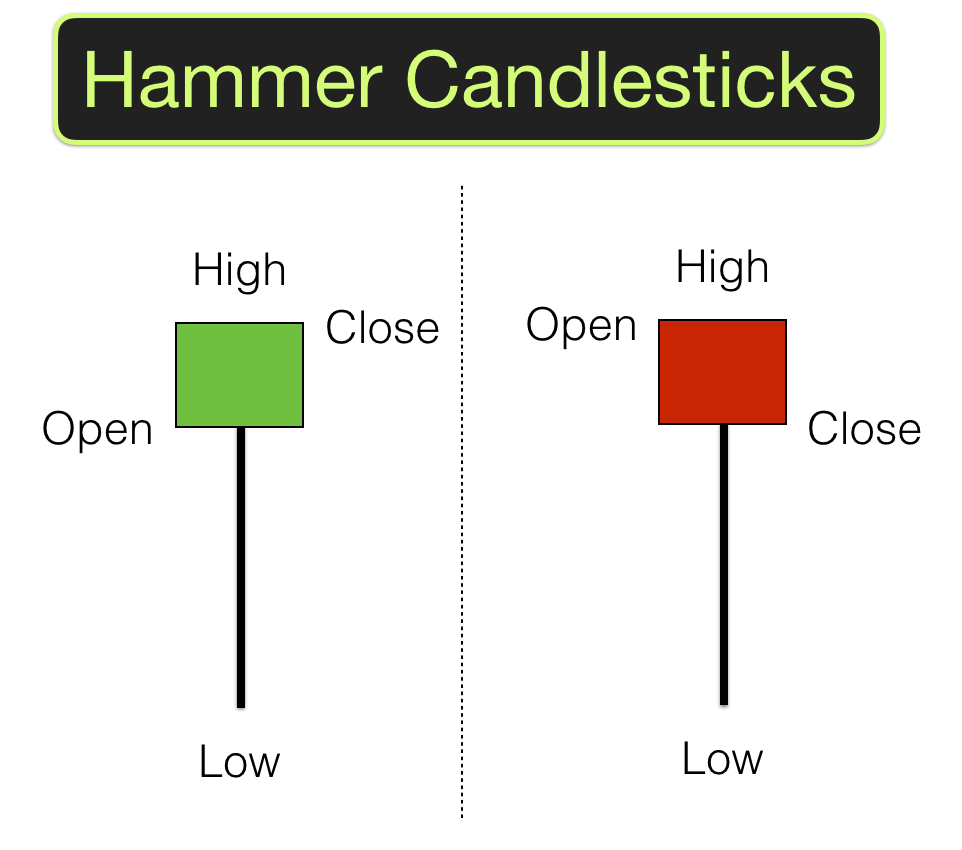
Hammer Candlesticks Shooting Star Candlesticks
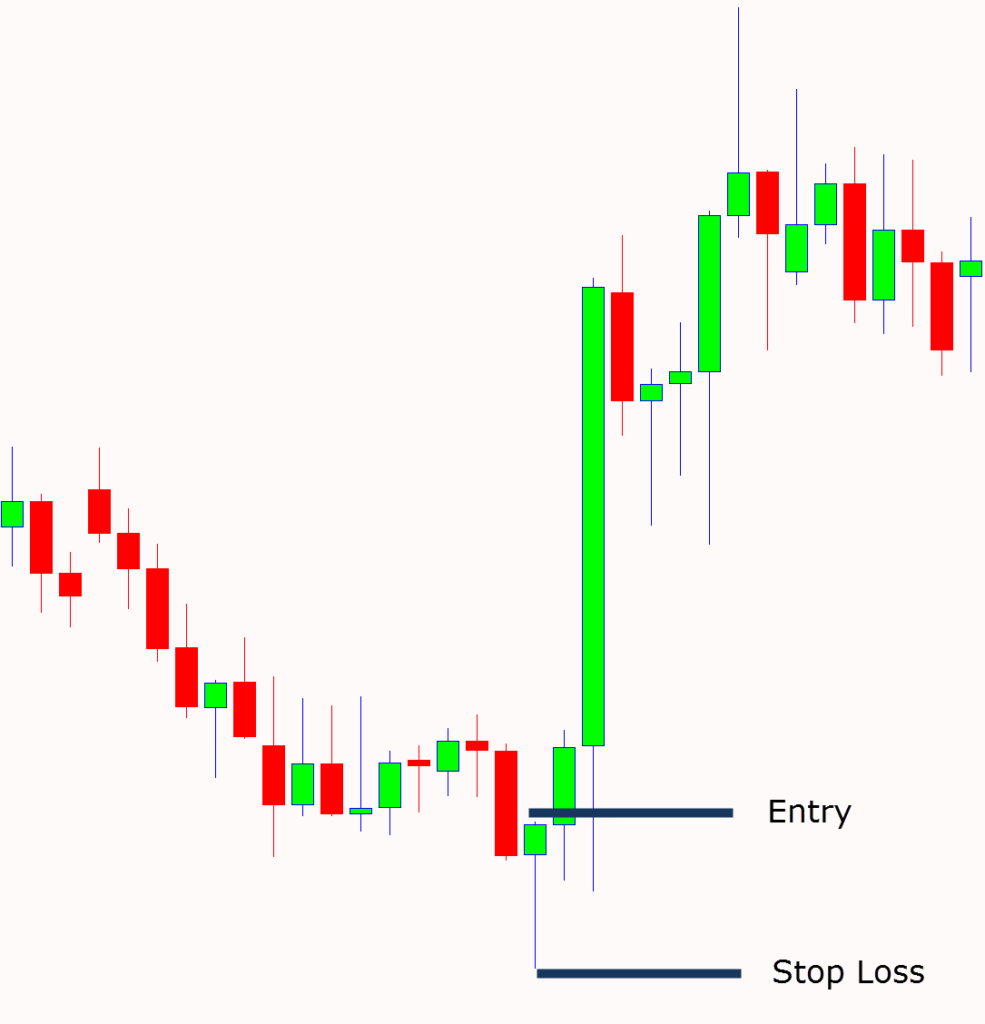
Hammer Candlestick Pattern Trading Guide
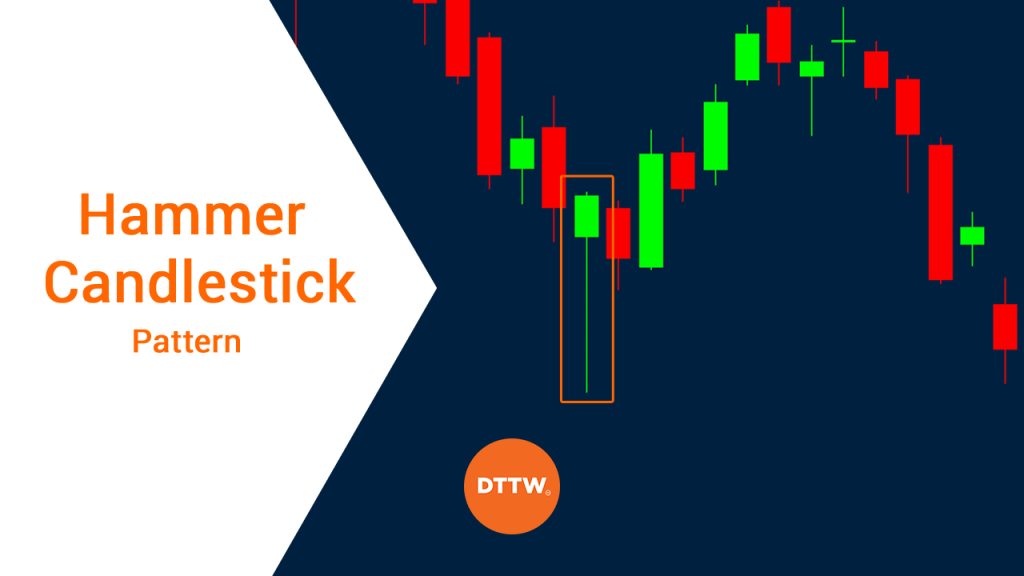
Hammer Candlestick Pattern Strategy Guide for Day Traders DTTW™

Candlestick Patterns The Definitive Guide (2021)
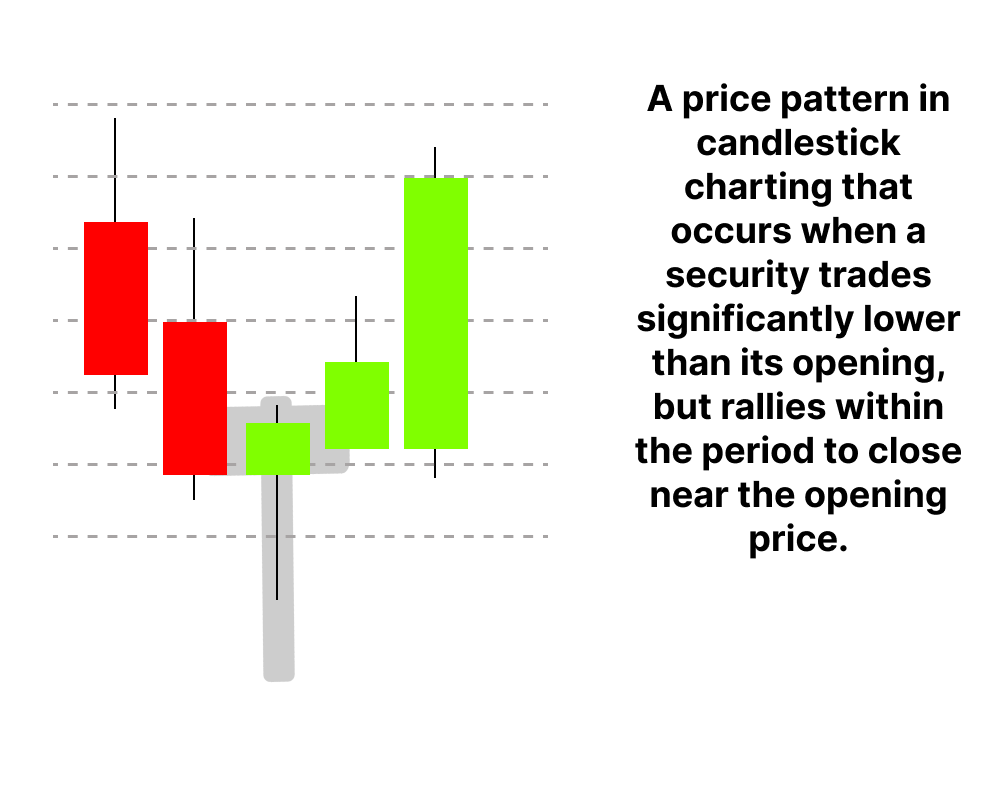
Hammer Candlestick Pattern Meaning, Examples & Limitations Finschool
Web In This Blog Post, We Are Going To Explore The Hammer Candlestick Pattern, A Bullish Reversal Candlestick.
They Consist Of Small To Medium Size Lower Shadows, A Real.
The Hammer Candlestick Pattern Is.
Web The Hammer Candlestick As Shown Above Is A Bullish Reversal Pattern That Signals A Potential Price Bottom Followed By An Upward Move.
Related Post: