
Horse Color Patterns
Horse Color Patterns - We've identified the 14 most common horse colors and patterns you'll find on these stunning creatures, along with explanations and photos of each. Horses come in a wide variety of coat colors, ranging from saturated dark shades to soft dilutions, with either matt or glossy coats. Web here we described the most typical horse colors as well as their patterns but the list can be extended with rarer colorings and markings. Web what are the types of paint horse colors? Web the two basic pigment colors of horse hairs are pheomelanin (red) which produces a reddish brown color, and eumelanin, which produces black. Knowing your bay from your roan, and your chestnut from your palomino is very important. A horse’s color is determined by many factors such as breed, genetics, age, and even season. A horse is describing as being bay if the body coat is bay, although the shade may differ from dull red, approaching brown, to a yellowish color, approaching chestnut. Web when it comes to horses’ colors, there’s some very particular language to describe them. As you’re about to learn, nature can produce some truly unique horse colors you wouldn’t believe exist in real life. Web generally, the most common horse colors are bay, chestnut, gray, black, and dun. Some of the most beautiful coat patterns have unique names and telling them apart can be difficult. In this article, i’ll share common horse colors, markings, and patterns to make it easier to identify your horse friends. Pinto and spotted coats are also common in certain horse breeds but rare in others. One of the rarest coat colors though is white. No two horses are exactly the same, and oftentimes, they are identified by their coloring or markings. Read on to learn more. Learning to identify these colors and tell them apart can be really beneficial. Web common horse colors include black, bay, chestnut, and gray, though many other variations exist based on the horse’s genetics and markings. Knowing your bay from your roan, and your chestnut from your palomino is very important. As you’re about to learn, nature can produce some truly unique horse colors you wouldn’t believe exist in real life. Knowing your bay from your roan, and your chestnut from your palomino is very important. Learning to identify these colors and tell them apart can be really beneficial. Web these colors include grey, black, bay, brown, chestnut, and dilution colors. Web when it comes to horses, a bay isn't just a leaf, and pinto is more than a type of bean. Through the introduction of blue roan and red roan, you may know that roan is a color of a horse, not a breed of horse. Nemyrivskyi viacheslav via getty images. Be prepared to see horses in a whole new. In this article, i’ll share common horse colors, markings, and patterns to make it easier to identify your horse friends. These two hair pigment genes create two base colors: Web this post provides an insightful guide to different horse colors and coat patterns, along with interesting facts about each color. Web horses can be found in a wide variety of. Knowing your bay from your roan, and your chestnut from your palomino is very important. Nemyrivskyi viacheslav via getty images. Our guide highlights the most common and discusses why we seen the the most often. A horse is describing as being bay if the body coat is bay, although the shade may differ from dull red, approaching brown, to a. Their bodies are adorned with unique patterns and markings, making each horse a special work of art. Here are the common horse colors with patterns. These two hair pigment genes create two base colors: Web horses can be found in a wide variety of different colors but the most common colors are black, bay, chestnut, sorrel, brown, dun, buckskin, gray,. Knowing your bay from your roan, and your chestnut from your palomino is very important. Be prepared to see horses in a whole new light. No two horses are exactly the same, and oftentimes, they are identified by their coloring or markings. Explore the vibrant shades and patterns that define equine beauty. Web colors in this group include the bay. We’re going to take you through. Horses come in a wide variety of coat colors, ranging from saturated dark shades to soft dilutions, with either matt or glossy coats. Through the introduction of blue roan and red roan, you may know that roan is a color of a horse, not a breed of horse. Web these colors include grey, black,. Learning to identify these colors and tell them apart can be really beneficial. Web the two basic pigment colors of horse hairs are pheomelanin (red) which produces a reddish brown color, and eumelanin, which produces black. Through the introduction of blue roan and red roan, you may know that roan is a color of a horse, not a breed of. Web generally, the most common horse colors are bay, chestnut, gray, black, and dun. A horse’s color is determined by many factors such as breed, genetics, age, and even season. These colors are a result of the combination of different pigments in their hair, skin, and eye cells. These two hair pigment genes create two base colors: Web there are. One of the rarest coat colors though is white. Be prepared to see horses in a whole new light. Web horses can be found in a wide variety of different colors but the most common colors are black, bay, chestnut, sorrel, brown, dun, buckskin, gray, pinto (or paint), spotted, roan, and palomino. Web learn all about the amazing world of. All other coat colors are created by additional genes that modify these two base colors. Horses come in a wide variety of coat colors, ranging from saturated dark shades to soft dilutions, with either matt or glossy coats. Explore the vibrant shades and patterns that define equine beauty. Web learn all about the amazing world of horse coat colors and patterns. As you’re about to learn, nature can produce some truly unique horse colors you wouldn’t believe exist in real life. Web when it comes to horses, a bay isn't just a leaf, and pinto is more than a type of bean. Web horses can be found in a wide variety of different colors but the most common colors are black, bay, chestnut, sorrel, brown, dun, buckskin, gray, pinto (or paint), spotted, roan, and palomino. Web generally, the most common horse colors are bay, chestnut, gray, black, and dun. Knowing your bay from your roan, and your chestnut from your palomino is very important. We also included a horse color chart to show how different the horse coat color pattern may be. Some of the most beautiful coat patterns have unique names and telling them apart can be difficult. Web here we described the most typical horse colors as well as their patterns but the list can be extended with rarer colorings and markings. Through the introduction of blue roan and red roan, you may know that roan is a color of a horse, not a breed of horse. We've identified the 14 most common horse colors and patterns you'll find on these stunning creatures, along with explanations and photos of each. Web horse coat patterns and markings guide. Web common horse colors with patterns.
Chestnut Color Chart by MagicWindsStables on deviantART

️Paint Horse Color Patterns Free Download Goodimg.co
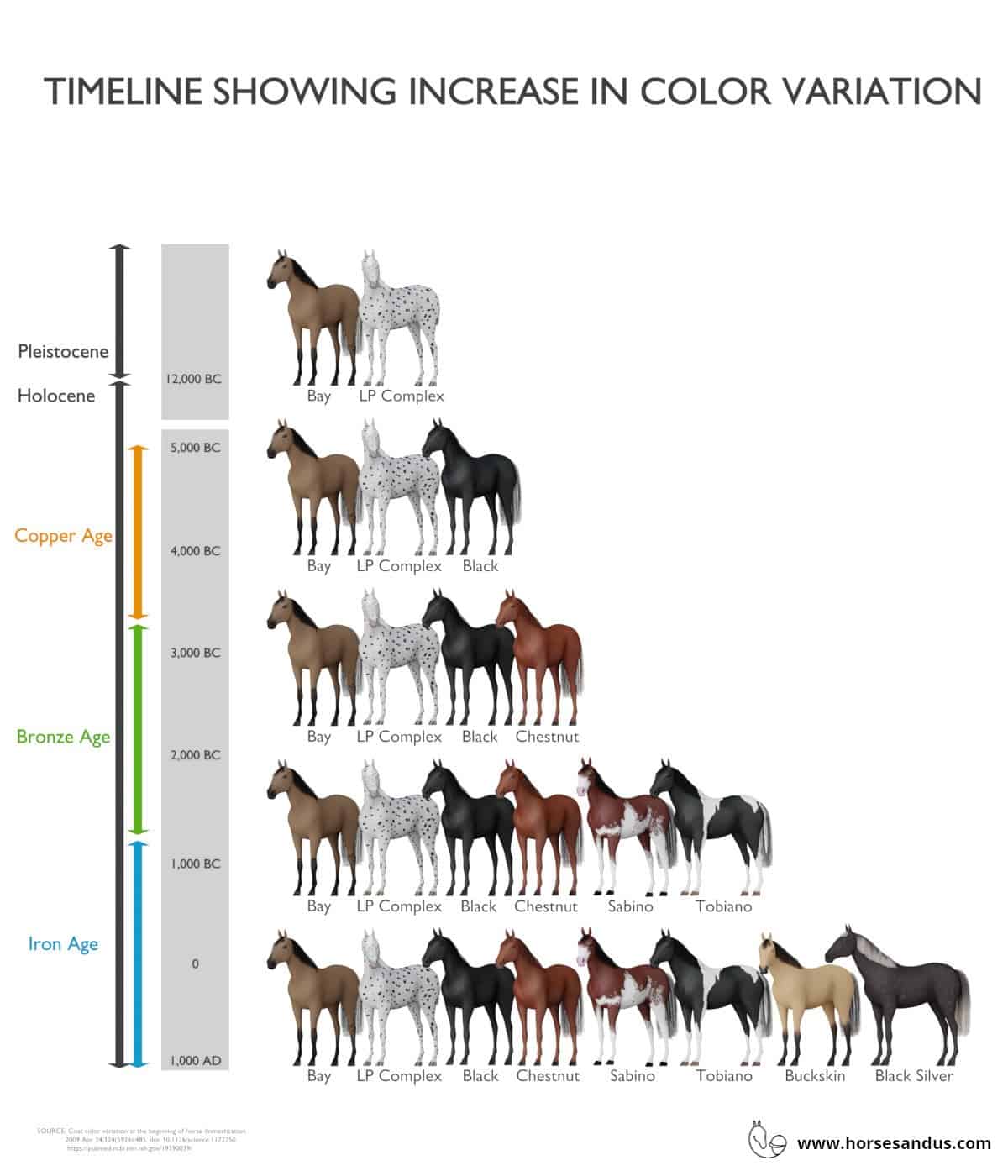
A Captivating Journey into Horse Colors and Patterns!

Beaurever white patterns by on DeviantArt

A Field Guide to Appaloosa Coat Patterns Appaloosa, Appaloosa horses
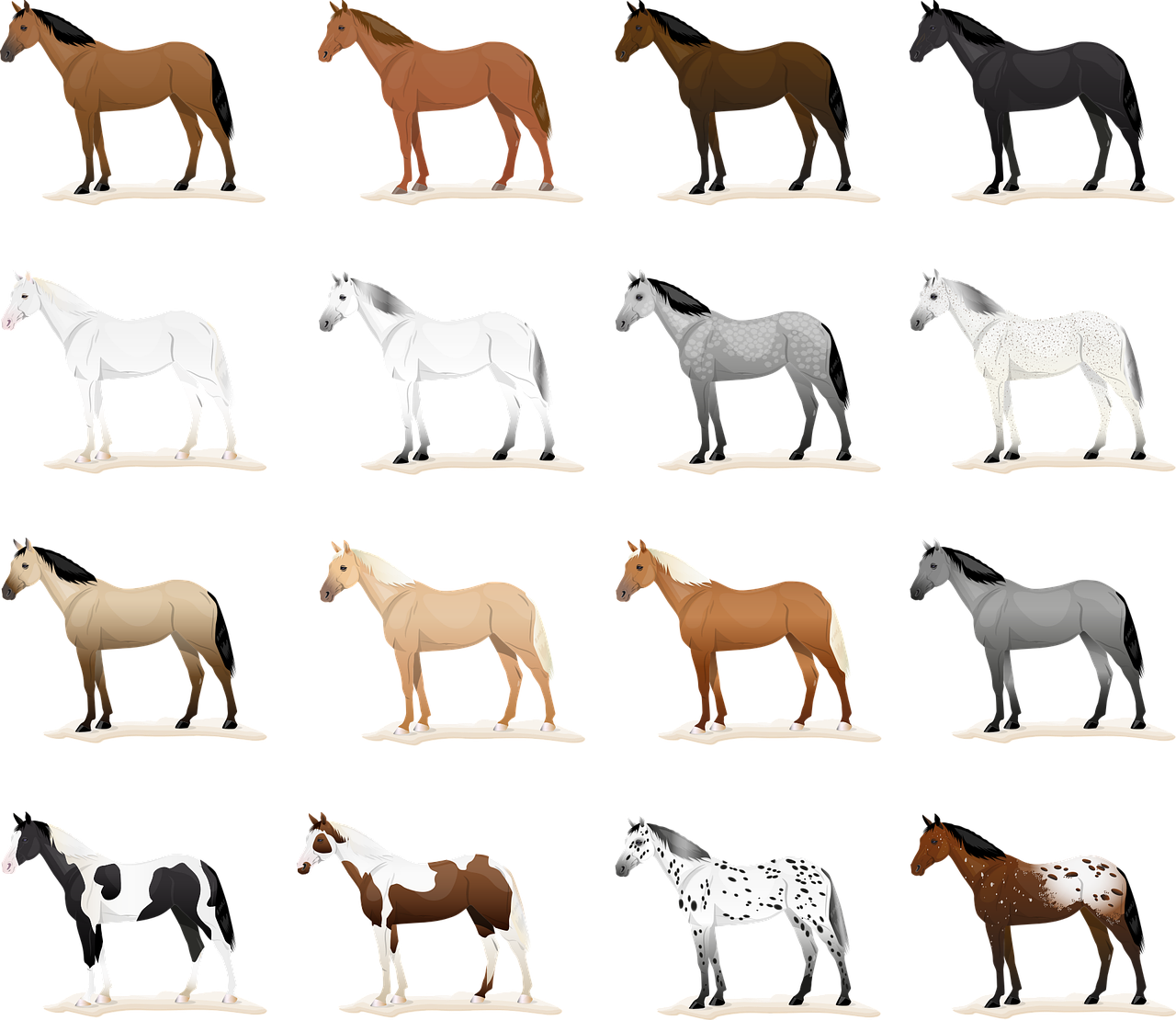
Horse Coat Colors are more than black, brown and white! EquiGroomer

paint horse color patterns digitalarttutorialbeginnerclipstudio

36+ Horse coloring and markings info https//coloringdraw.pages.dev
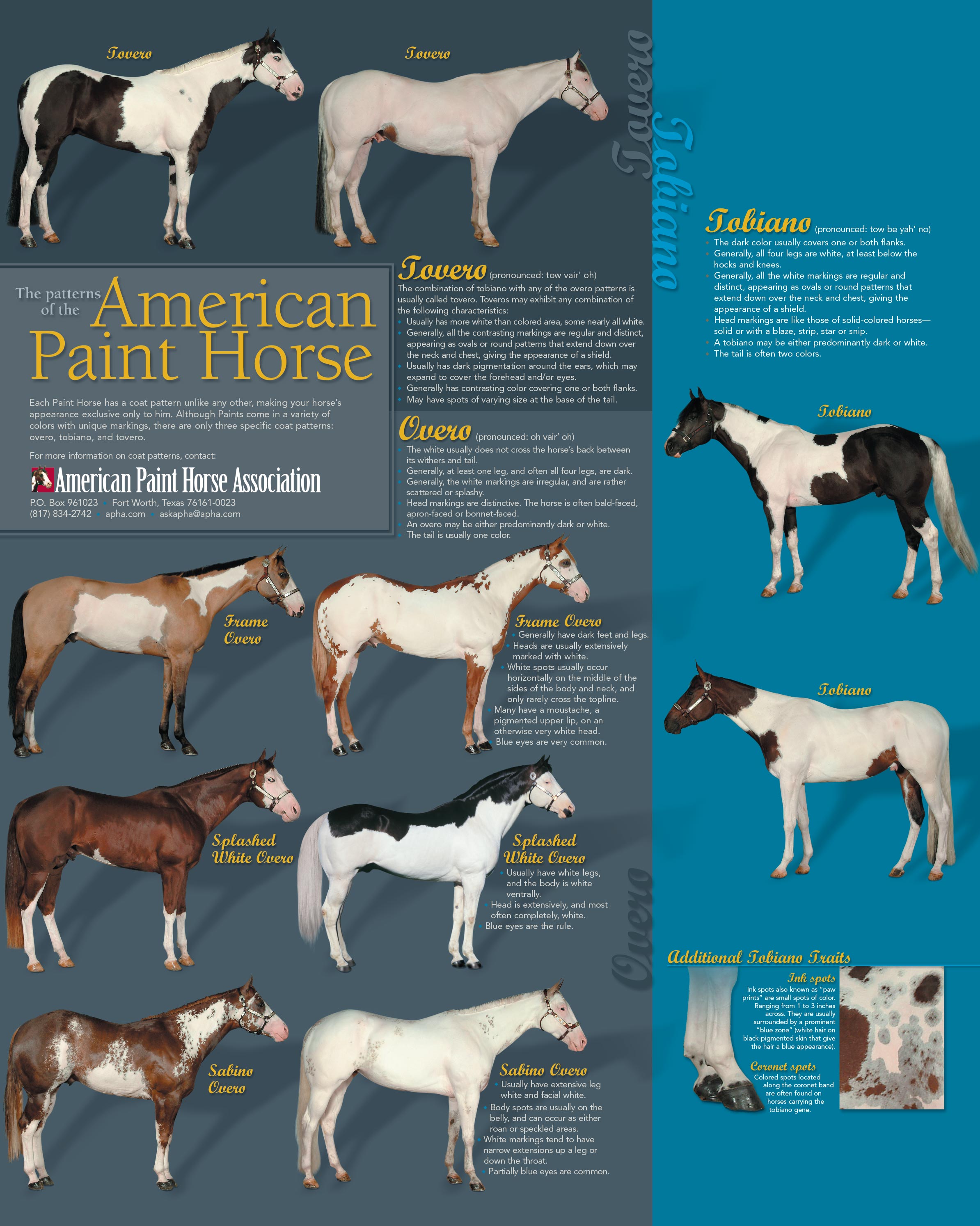
️Paint Horse Color Patterns Free Download Goodimg.co
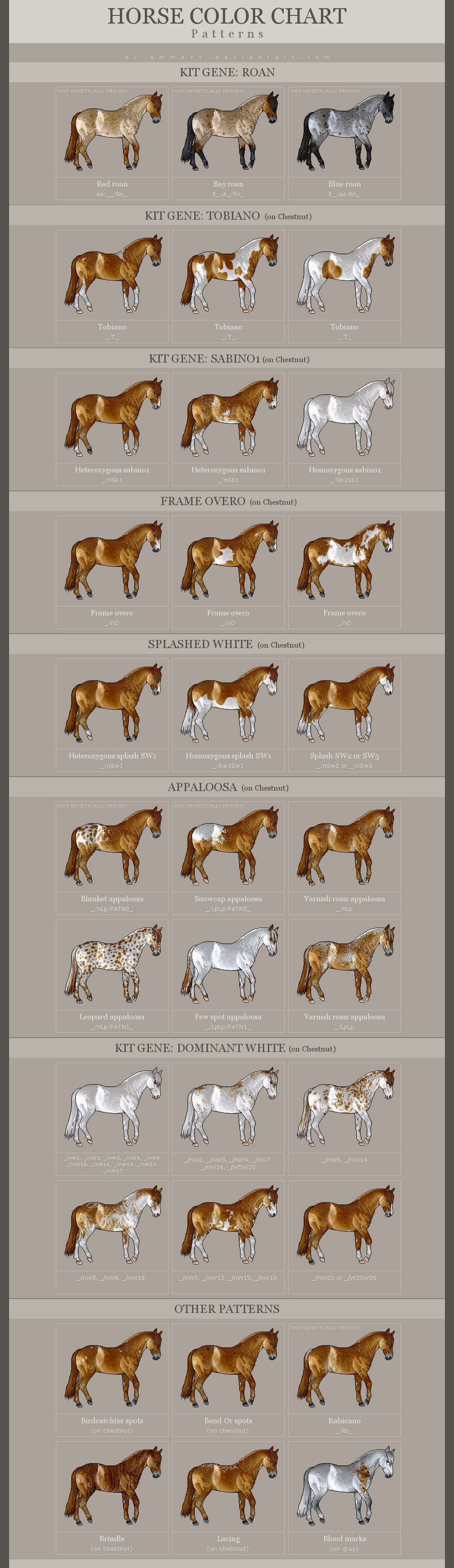
Horse Coat Colors, Patterns And Markings Horses & Foals
One Of The Rarest Coat Colors Though Is White.
Horses Come In All Different Shapes, Sizes, And Colors!
Learning To Identify These Colors And Tell Them Apart Can Be Really Beneficial.
We Even Help You Identify Rare Colors And Break Down Genetic Aspects Of Equine Coat Colors.
Related Post: