
Rarest Fingerprint Pattern
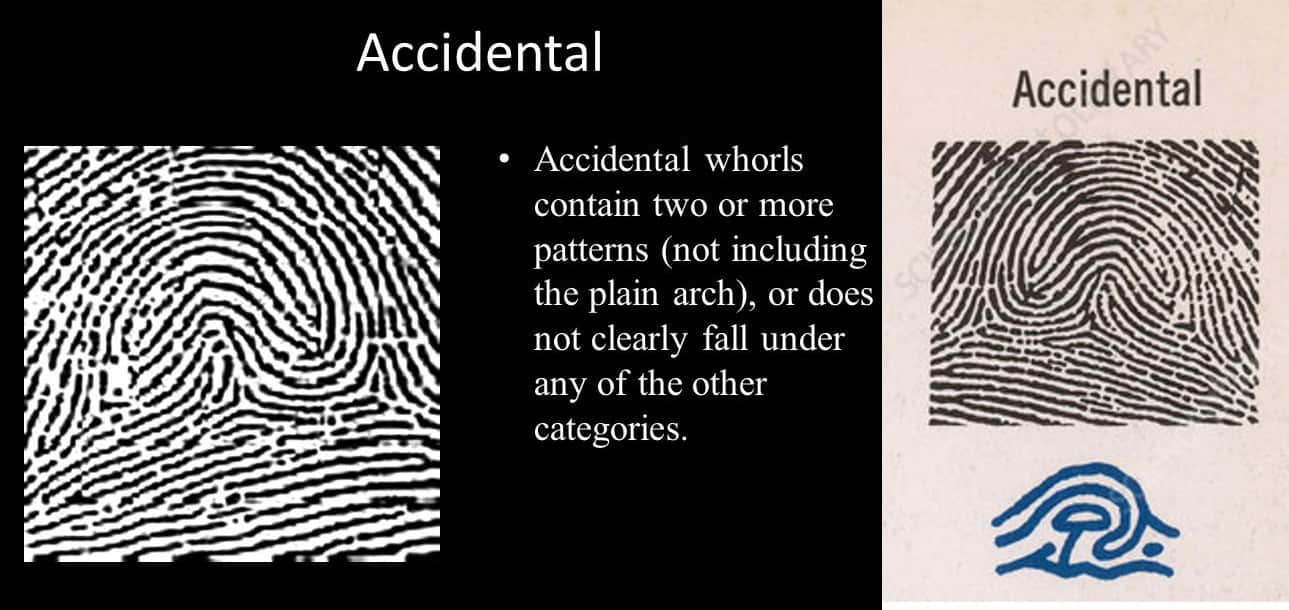
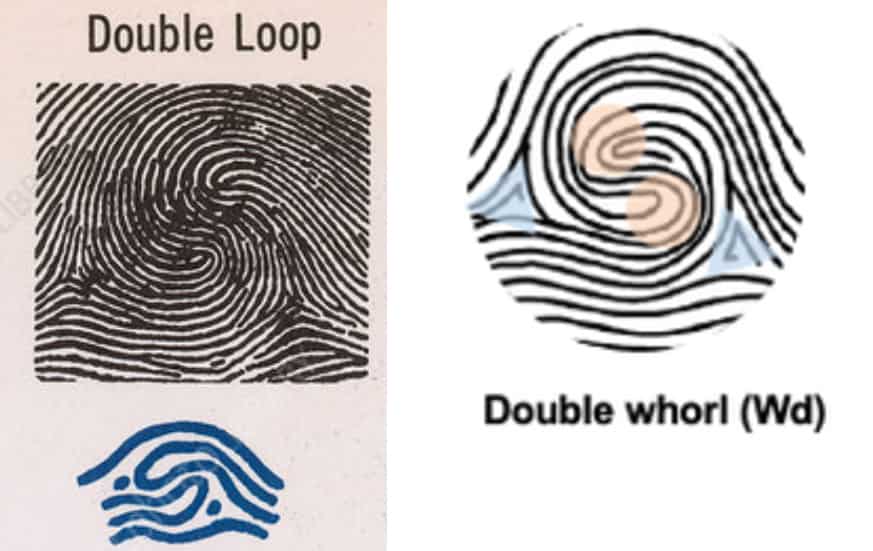
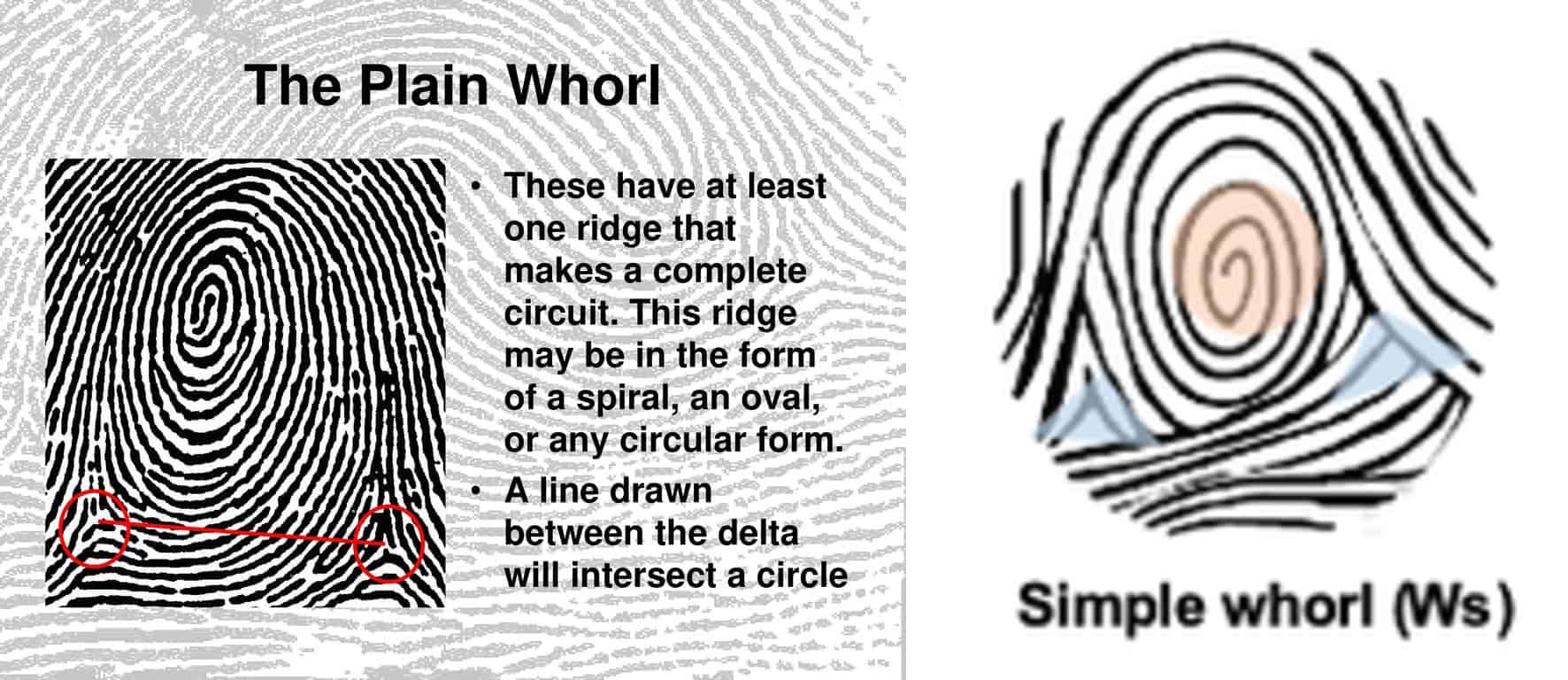
Rarest Fingerprint Pattern - Web science photo library/getty images. An autoencoder is a type of neural network that transforms the original image data into the fingerprint — called a latent representation by scientists — and that also includes a decoder algorithm used to go from the latent representation back to the full image. Find out what kind you have. This pattern makes up a mere 5% (aprox.) of the total world population, making it. While impressive, it's not just to unlock a smartphone or catch a bad guy. Nousbeck et al., the american journal of human genetics (2011) share: The arch is the rarest type of fingerprint. Loops are the most common pattern, and arches are the most rare. But the type of difference you describe (mostly whorls on one hand, loops on the other) is likely a happy coincidence! Web fingerprints can be divided into basic four categories i.e. While impressive, it's not just to unlock a smartphone or catch a bad guy. Friction ridge patterns are grouped into three distinct types—loops, whorls, and arches—each with unique variations, depending on the shape and relationship of the ridges: It is the least common type of fingerprint that is below 5% of all fingerprints. But the type of difference you describe (mostly whorls on one hand, loops on the other) is likely a happy coincidence! Web the rarest fingerprint pattern is called the accidental pattern. Less than 1 in 20 people have such a fingerprint. Web the arch is considered to be the most rare fingerprint pattern, with only about 5% of the world’s population having it. Web there are three fingerprint ridge patterns: An autoencoder is a type of neural network that transforms the original image data into the fingerprint — called a latent representation by scientists — and that also includes a decoder algorithm used to go from the latent representation back to the full image. Sweat and oil from your hands leave behind a copy of your fingerprints when you touch objects. Why do we have fingerprints? Web not only do your fingerprints help to identify you, but the patterns made of tiny ridges in your skin that help you to hold on to things. While it is difficult to determine an exact percentage of the population that possesses this type of fingerprint pattern, it is estimated to occur in less than. They are characterized by ridges that enter from one side of the print, rise in the centre forming an arc, and then exit on the other side of the print. Some consider it a subtype of whorl patterns due to the natural way fingerprints swirl. Web the fingerprints are created by using a technique called an autoencoder. Researchers isolate a. The ridges in the arch pattern run from one side of the finger to the other continuously without any recurve or bend. Its lack of cores, lines or deltas makes it unique. Why do we have fingerprints? The use of ml has significantly enhanced data processing and analysis, eliciting the development of new and journal of materials. Researchers isolate a. Web fingerprints can be divided into basic four categories i.e. This rarity underscores the distinctiveness of each accidental pattern. A patient registers his fingerprints using a biometrics tracking system at an operation asha ('hope' in hindi) tuberculosis (tb) treatment center set up in a small store on june 1, 2011, in new delhi, india. This is the rarest type of. The ridges in the arch pattern run from one side of the finger to the other continuously without any recurve or bend. Web the arch, is the rarest fingerprint. The formation of fingerprint patterns has a genetic component. The incidence of unusual patterns in the present research was found to be 0.21% from the 5120 fingerprints. Web fingerprints can be. Why do we have fingerprints? Web these unusual patterns are rare but, when encountered, are difficult to assign to a particular category in accordance with henry’s classification of fingerprint patterns. Its lack of cores, lines or deltas makes it unique. Friction ridge patterns are grouped into three distinct types—loops, whorls, and arches—each with unique variations, depending on the shape and. A patient registers his fingerprints using a biometrics tracking system at an operation asha ('hope' in hindi) tuberculosis (tb) treatment center set up in a small store on june 1, 2011, in new delhi, india. Web the arch, is the rarest fingerprint. Web a double loop whorl is considered to be one of the rarest types of fingerprint swirls. A. It is patterned in a way that ridges run from one side of the fingertip to the other side of. The mystery of the missing fingerprints. The arch is the rarest type of fingerprint. Its lack of cores, lines or deltas makes it unique. But the type of difference you describe (mostly whorls on one hand, loops on the other). Here are some scientific reasons why certain types of fingerprints are rarer than others: Web local dragonflies expose mercury pollution patterns. An autoencoder is a type of neural network that transforms the original image data into the fingerprint — called a latent representation by scientists — and that also includes a decoder algorithm used to go from the latent representation. Less than 1 in 20 people have such a fingerprint. Loops are the most common pattern, and arches are the most rare. Web arches are the rarest type of fingerprint pattern found in only about 5 percent of all fingerprints. Friction ridge patterns are grouped into three distinct types—loops, whorls, and arches—each with unique variations, depending on the shape and. But the type of difference you describe (mostly whorls on one hand, loops on the other) is likely a happy coincidence! Web the fingerprint pattern, such as the print left when an inked finger is pressed onto paper, is that of the friction ridges on that particular finger. Its lack of cores, lines or deltas makes it unique. Researchers have uncovered the mutation behind a rare disease that leaves people without fingerprints. Sweat and oil from your hands leave behind a copy of your fingerprints when you touch objects. Researchers isolate a rare mutation that erases fingerprints in some people. It is the least common type of fingerprint that is below 5% of all fingerprints. Web to see if you have an unusual or rare fingerprint, check which finger it is found on. While impressive, it's not just to unlock a smartphone or catch a bad guy. Web not only do your fingerprints help to identify you, but the patterns made of tiny ridges in your skin that help you to hold on to things. Web these unusual patterns are rare but, when encountered, are difficult to assign to a particular category in accordance with henry’s classification of fingerprint patterns. Web local dragonflies expose mercury pollution patterns. Nousbeck et al., the american journal of human genetics (2011) share: It is characterized by its lack of cores, lines or deltas, making it a very unique fingerprint pattern. Why do we have fingerprints? The plain arch is defined by a slightly raised ridge pattern that flows across the finger from one side of the finger to the other.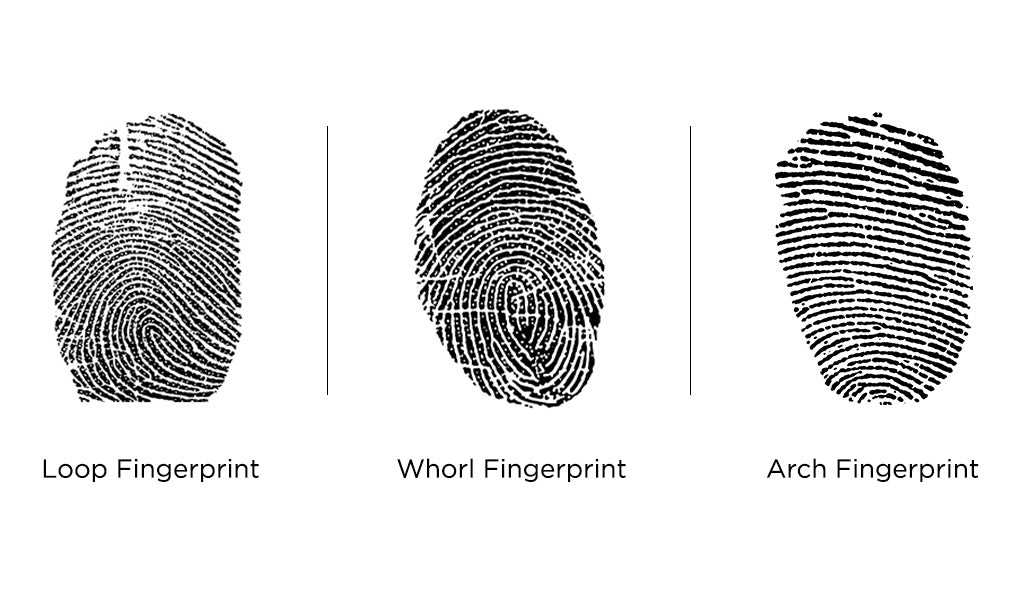
Fingerprinting 101 Delta Fingerprints

Measuring the Rarity of Fingerprint Patterns in the Dutch Population
8 Rarest Types of Fingerprints
8 Rarest Types of Fingerprints

Fingerprint pattern with its various attributes 2.1 The Arch This is

Palmistry and the Index Finger Mark Seltman's Real Palmistry Blog
8 Rarest Types of Fingerprints
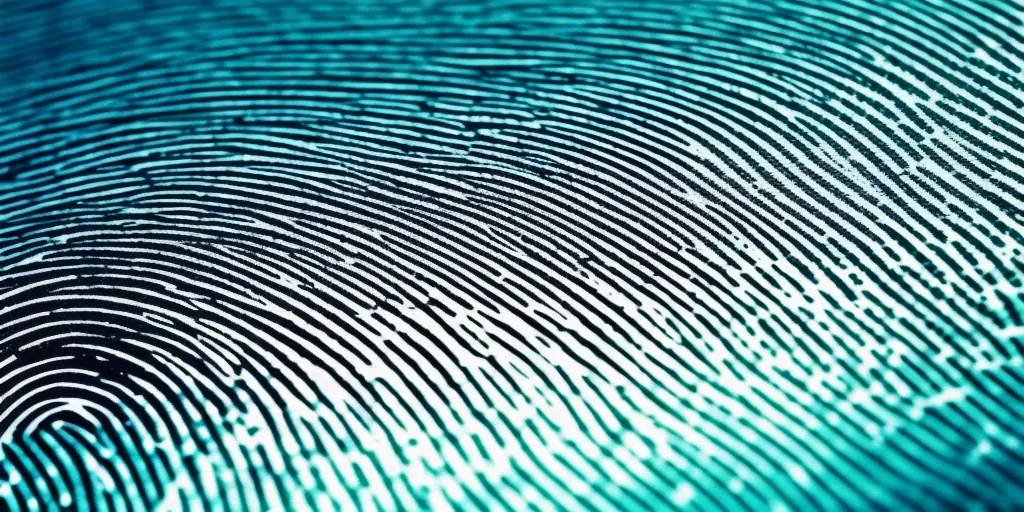
What Is The Rarest Type Of Fingerprint Pattern? Top 10
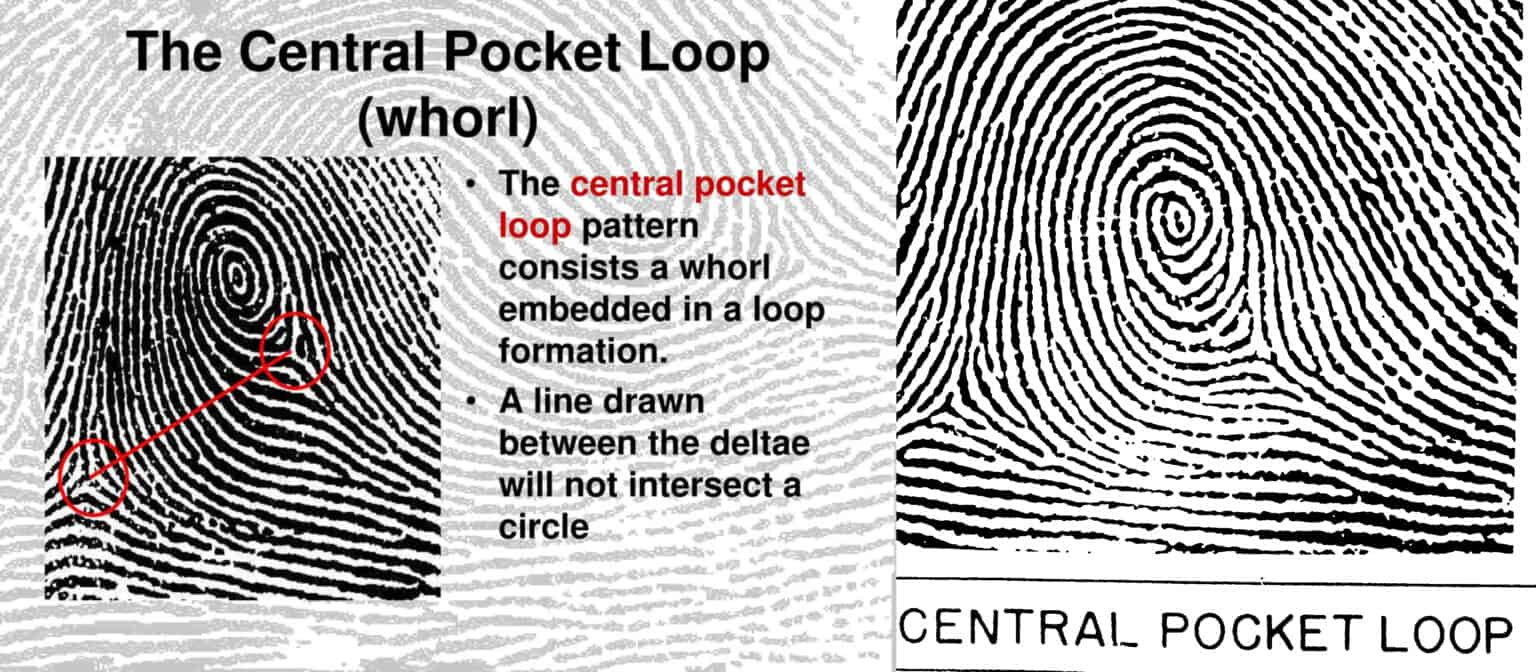
8 Rarest Types of Fingerprints

3 main fingerprint patterns basicstagemakeuptutorial
Web Fingerprints Can Be Divided Into Basic Four Categories I.e.
They Believe This Occurs Thanks To A Combination Of Genetics And Environment.
The Arch Is The Rarest Type Of Fingerprint.
Friction Ridge Patterns Are Grouped Into Three Distinct Types—Loops, Whorls, And Arches—Each With Unique Variations, Depending On The Shape And Relationship Of The Ridges:
Related Post: