
Bronchial Pattern Dog
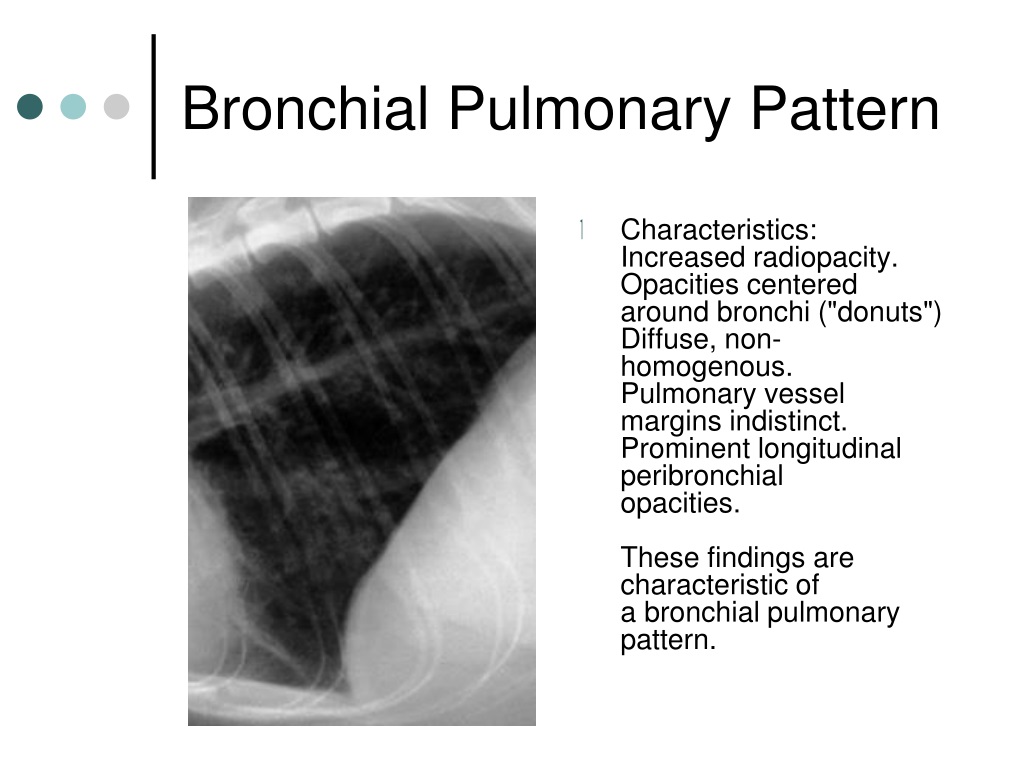
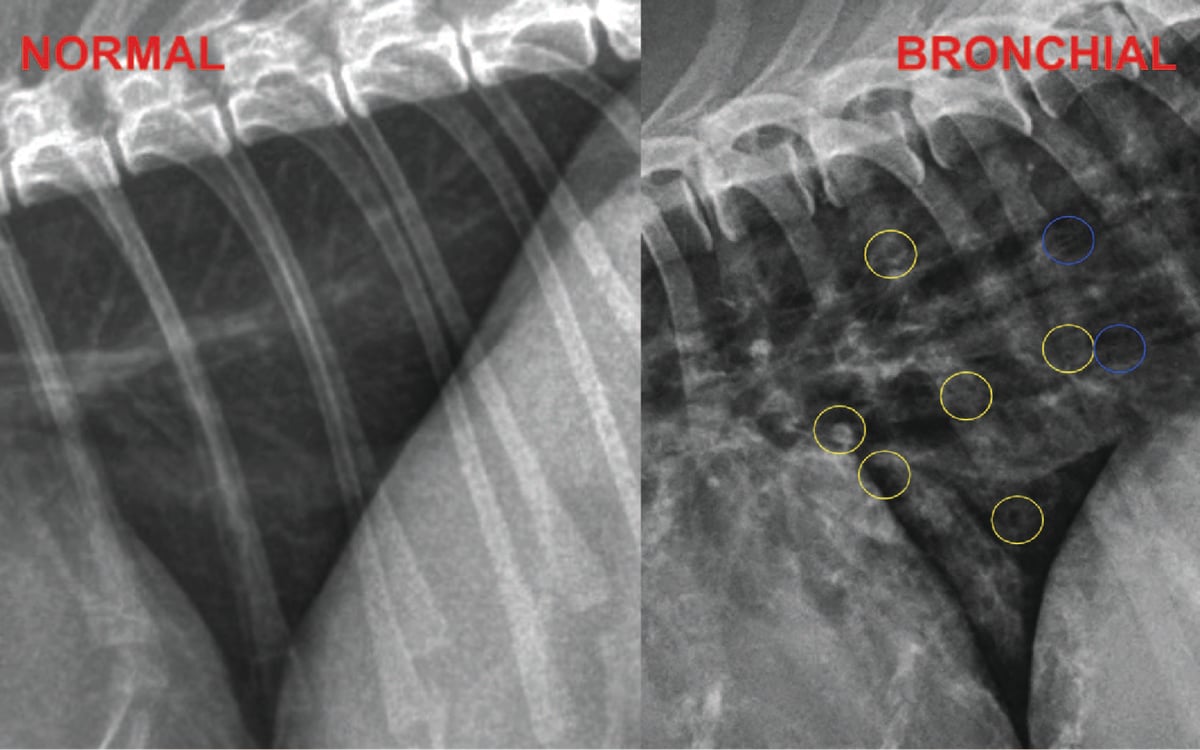
Bronchial Pattern Dog - Also see professional content regarding tracheobronchitis. The thickening of those structures results in enhanced radiographic visualization of. Web diffuse pulmonary disease may be in the form of a bronchial pattern, or interstitial or alveolar pattern. To understand the disease, it's first important to know about the basic anatomy that's involved. Web bronchitis is an inflammation of the bronchial airways that may extend into the lungs. Yellow circles) and parallel lines (“tramlines”; The walls are thickened due to a combination of smooth muscle hypertrophy, mucus production, cellular infiltrate, and in come cases (feline asthma), bronchoconstriction. Diffuse interstitial or alveolar patters may be due to vasculitis, acute lung injury (ali), acute respiratory distress syndrome (ards), atypical pneumonia, or neoplasia such as lymphoma. Web when a dog breathes air in through its nose or mouth, the air travels down the trachea, which divides into the tubes known as the right and left bronchi, then into the smaller airways called bronchioles in the lungs. Dogs and cats with respiratory tract disorders can present to veterinarians for a variety of clinical signs including nasal discharge, sneeze, reverse sneeze, noisy breathing (snoring/stertor, stridor, wheeze), cough, alterations in respiratory rate or effort, and respiratory distress. It often occurs in dogs already affected by respiratory disease or a disorder of the lungs or airways. Web bronchitis in dogs is a common illness that affects the upper airways and causes coughing. The trachea then carries the inhaled air to the bronchi (the tubes that connect the. Web tracheobronchitis is a sudden or longterm inflammation of the trachea and bronchial airways; This does not hold true in the cat. Also see professional content regarding tracheobronchitis. This makes them easier to see, especially in the periphery of the lung (image 2). It is discussed in this chapter as part of tracheobronchitis. What are the signs of chronic bronchitis? It may also extend into the lungs. Bacterial > allergic (eosinophilic) cats: This does not hold true in the cat. A bronchial pattern is an abnormal lung opacity caused by peribronchial cellular, fluid and fibrotic infiltration, or bronchial mucosal and submucosal thickening (chronic bronchitis). Web a bronchial pattern on radiographs indicates a condition that involves the airways. Web bronchitis in dogs is a common illness that affects. Web bronchitis in dogs is a common illness that affects the upper airways and causes coughing. It often occurs in dogs already affected by respiratory disease or a disorder of the lungs or airways. In a true bronchial pattern that stems from infectious/inflammatory disease, the bronchial walls are thickened because of inflammatory tissue and cells surrounding the airways. This makes. In a true bronchial pattern that stems from infectious/inflammatory disease, the bronchial walls are thickened because of inflammatory tissue and cells surrounding the airways. Web bronchitis is an inflammation of the bronchial airways that may extend into the lungs. The walls are thickened due to a combination of smooth muscle hypertrophy, mucus production, cellular infiltrate, and in come cases (feline. Diffuse interstitial or alveolar patters may be due to vasculitis, acute lung injury (ali), acute respiratory distress syndrome (ards), atypical pneumonia, or neoplasia such as lymphoma. Web a bronchial pattern on radiographs indicates a condition that involves the airways. In a true bronchial pattern that stems from infectious/inflammatory disease, the bronchial walls are thickened because of inflammatory tissue and cells. Web bronchial lung pattern the bronchial pattern is obtained when the bronchial wall is infiltrated by cells or fluid or when the peribronchial space is replaced by cells or fluid. This does not hold true in the cat. Also see professional content regarding tracheobronchitis. It often occurs in dogs already affected by respiratory disease or a disorder of the lungs. Web when a dog breathes air in through its nose or mouth, the air travels down the trachea, which divides into the tubes known as the right and left bronchi, then into the smaller airways called bronchioles in the lungs. Web bronchitis in dogs is a common illness that affects the upper airways and causes coughing. It may also extend. To understand the disease, it's first important to know about the basic anatomy that's involved. Dogs and cats with respiratory tract disorders can present to veterinarians for a variety of clinical signs including nasal discharge, sneeze, reverse sneeze, noisy breathing (snoring/stertor, stridor, wheeze), cough, alterations in respiratory rate or effort, and respiratory distress. This does not hold true in the. Yellow circles) and parallel lines (“tramlines”; It often occurs in dogs already affected by respiratory disease or a disorder of the lungs or airways. Matthew winter, dacvr will review the radiographic features of lung patterns in dogs and cats as well as the keys to interpreting the meaning of these patterns. Web when a dog breathes in, air flows through. Web bronchial patterns are generally distinct from interstitial and alveolar patterns, with the primary cause being thickening of the larger, conducting airways. This does not hold true in the cat. What are the signs of chronic bronchitis? If the cough lasts more than two months, it's generally referred to as chronic bronchitis. Cranioventral distribution is most associated with bronchopneumonia; It may also extend into the lungs. The walls are thickened due to a combination of smooth muscle hypertrophy, mucus production, cellular infiltrate, and in come cases (feline asthma), bronchoconstriction. Web bronchial patterns are generally distinct from interstitial and alveolar patterns, with the primary cause being thickening of the larger, conducting airways. Perihilar distribution (in dogs) is most associated with. Web a bronchial pattern on radiographs indicates a condition that involves the airways. A bronchial pattern is an abnormal lung opacity caused by peribronchial cellular, fluid and fibrotic infiltration, or bronchial mucosal and submucosal thickening (chronic bronchitis). Web bronchial patterns are generally distinct from interstitial and alveolar patterns, with the primary cause being thickening of the larger, conducting airways. In a true bronchial pattern that stems from infectious/inflammatory disease, the bronchial walls are thickened because of inflammatory tissue and cells surrounding the airways. Web bronchitis in dogs is a common illness that affects the upper airways and causes coughing. Diffuse interstitial or alveolar patters may be due to vasculitis, acute lung injury (ali), acute respiratory distress syndrome (ards), atypical pneumonia, or neoplasia such as lymphoma. Web when a dog breathes air in through its nose or mouth, the air travels down the trachea, which divides into the tubes known as the right and left bronchi, then into the smaller airways called bronchioles in the lungs. Typically, neither the esophagus nor tracheobronchial lymph nodes are visualized in thoracic radiographs from. Web b) bronchial patterns: This pattern comes closest to helping shed light on what disease the pet is suffering from. This makes them easier to see, especially in the periphery of the lung (image 2). Yellow circles) and parallel lines (“tramlines”; Also see professional content regarding tracheobronchitis. It can be a subtle pattern to recognize, so lets look at some of the features. Bronchial pattern is caused by thickening and increased prominence of the bronchial walls, usually secondary to chronic inflammation. Matthew winter, dacvr will review the radiographic features of lung patterns in dogs and cats as well as the keys to interpreting the meaning of these patterns.
Chronic & Persistent Coughing in a Dog Clinician's Brief
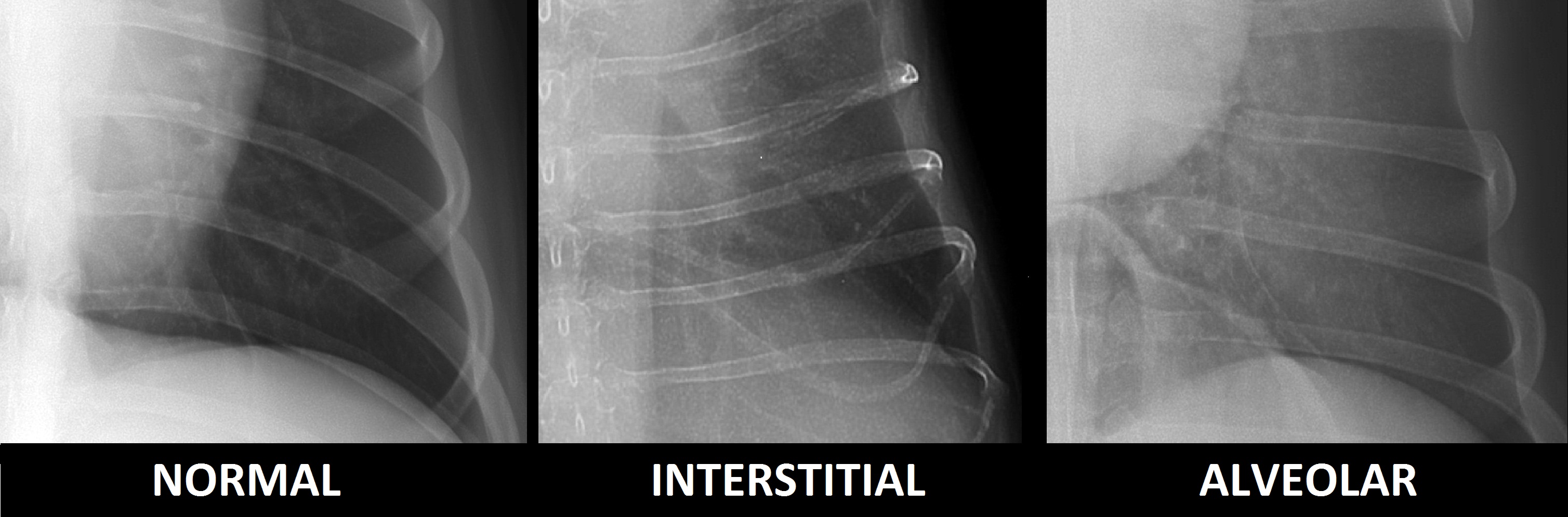
Radiographic Approach to the Coughing Pet • MSPCAAngell
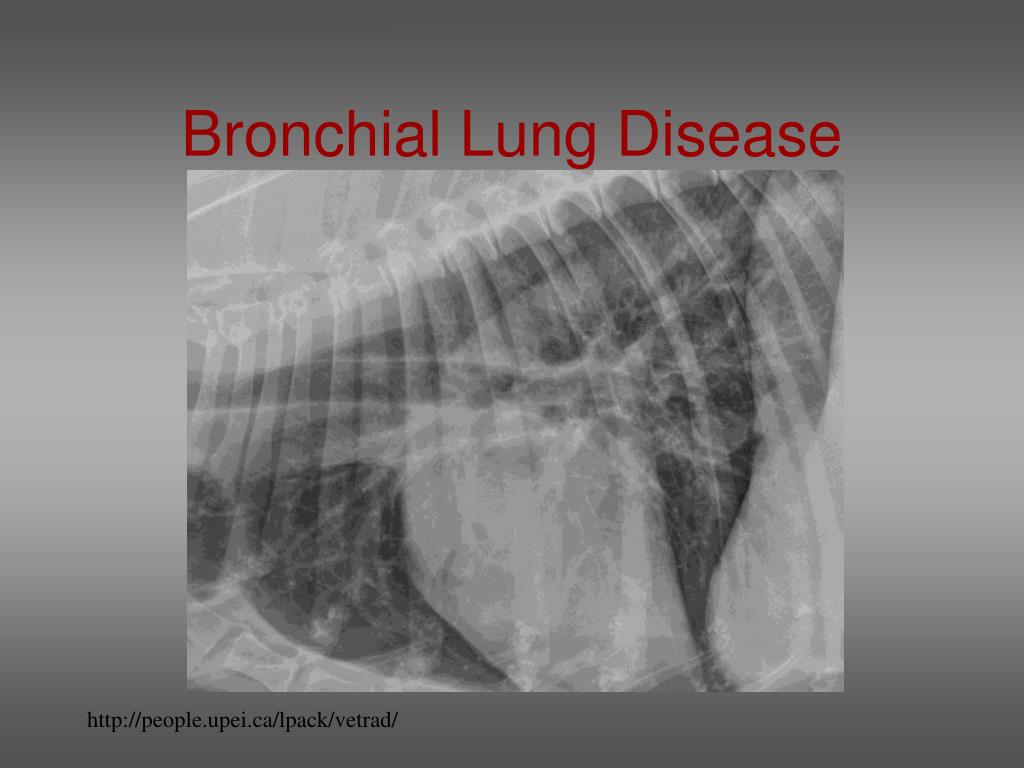
PPT Thoracic Radiology of the Dog PowerPoint Presentation, free
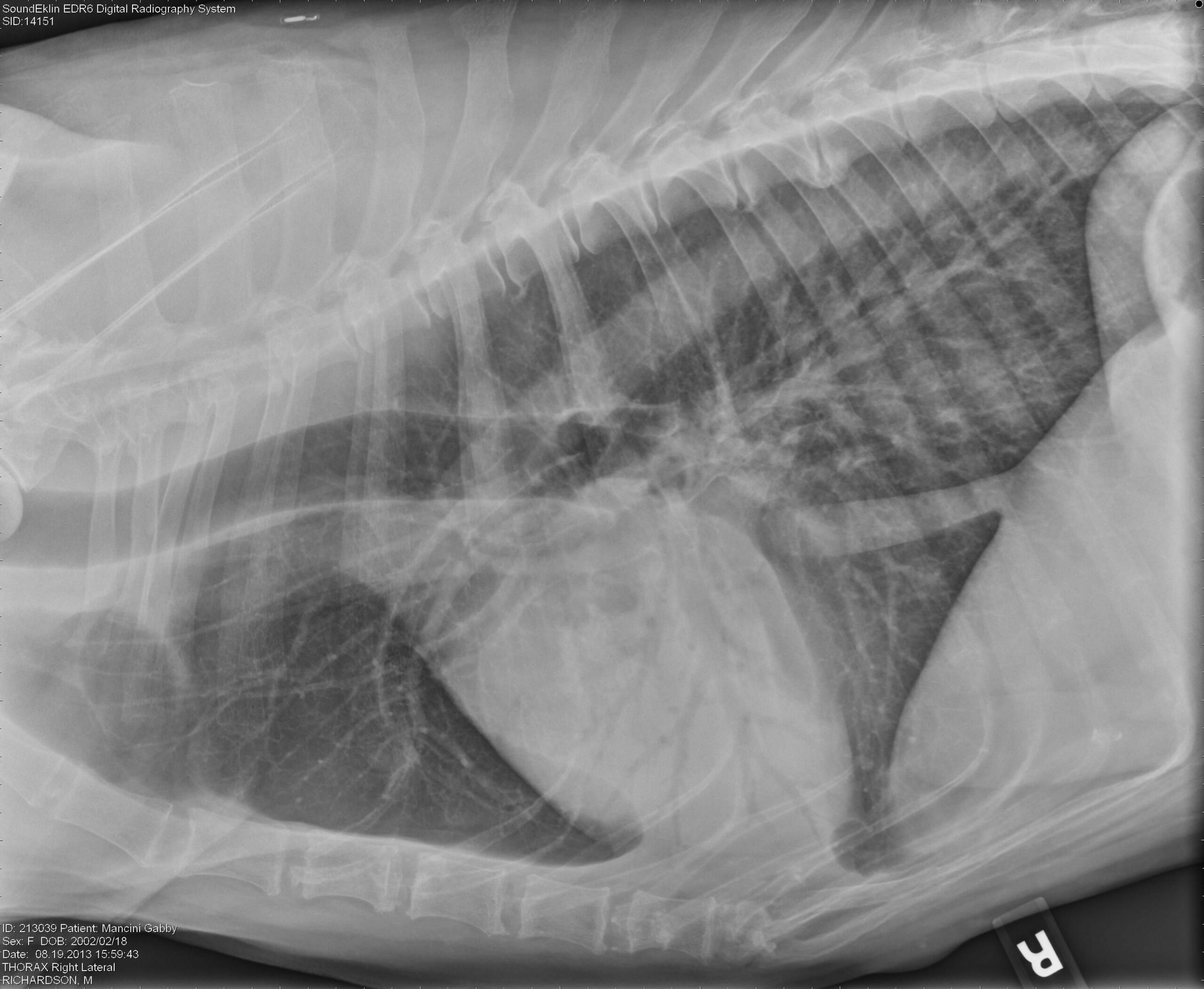
Interpreting thoracic radiograph lung patterns VETgirl Veterinary
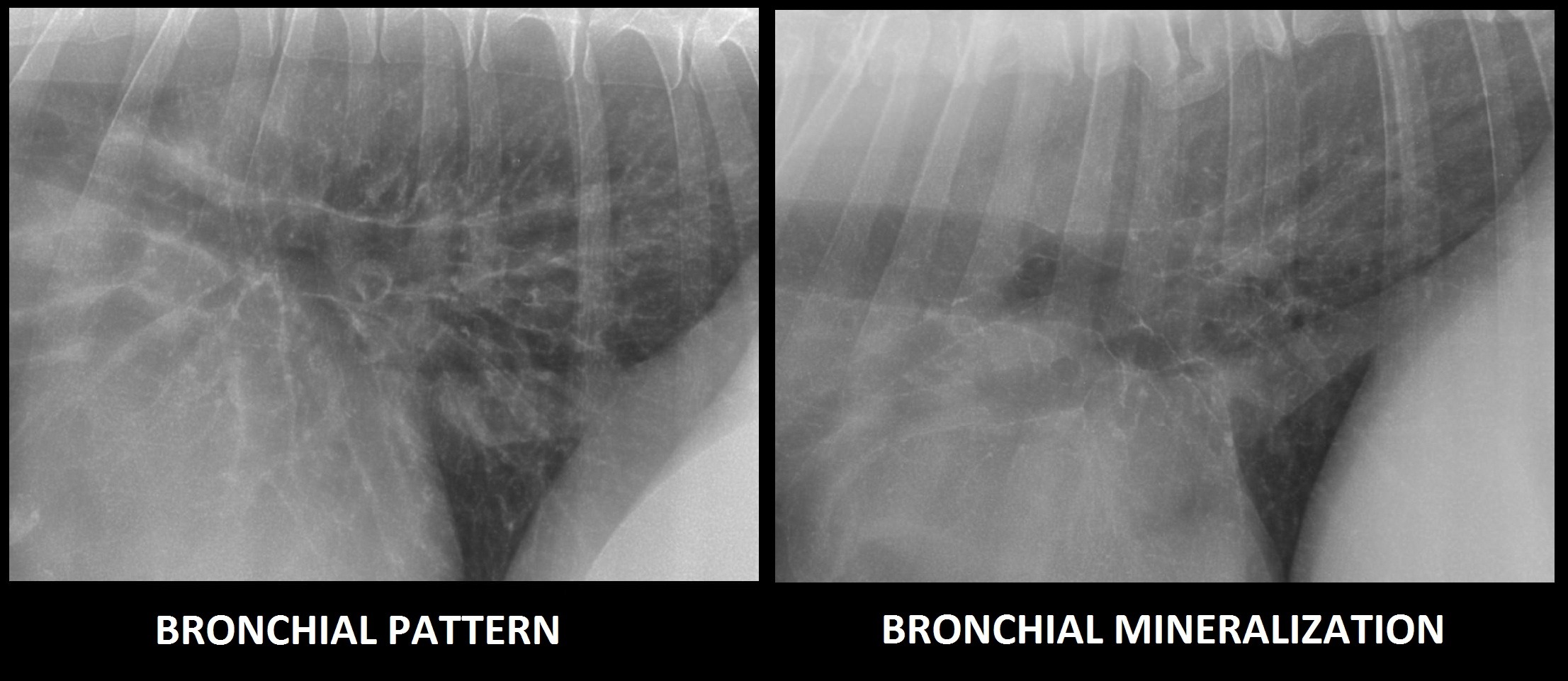
Radiographic Approach to the Coughing Pet • MSPCAAngell

Topographical distribution and radiographic pattern of lung lesions in
PPT Veterinary Radiology PowerPoint Presentation, free download ID

Topographical distribution and radiographic pattern of lung lesions in

Thoracic radiograph of dog showed mild bronchial pattern (A) and an
Imaging the Coughing Dog
Dogs And Cats With Respiratory Tract Disorders Can Present To Veterinarians For A Variety Of Clinical Signs Including Nasal Discharge, Sneeze, Reverse Sneeze, Noisy Breathing (Snoring/Stertor, Stridor, Wheeze), Cough, Alterations In Respiratory Rate Or Effort, And Respiratory Distress.
What Are The Signs Of Chronic Bronchitis?
Web Tracheobronchitis Is A Sudden Or Longterm Inflammation Of The Trachea And Bronchial Airways;
He Had No Known Travel History Or Recent Exposure To Other Dogs, And He Was Current On Vaccinations And Heartworm Preventive.
Related Post: